

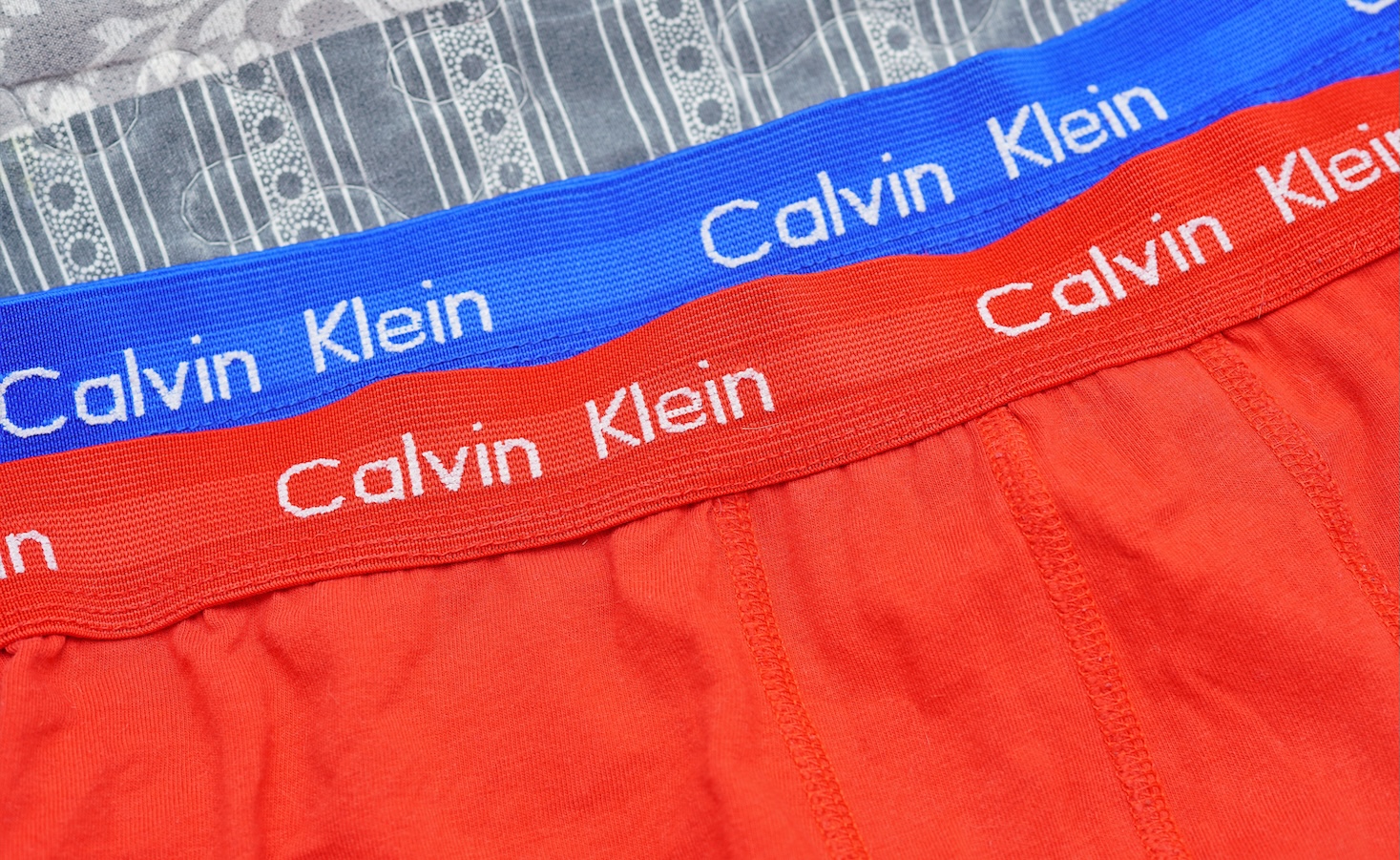
Calling all bras, panties, boxers and briefs: Calvin Klein is accepting unwanted underthings from any brand for recycling. PVH Corporation’s Re-Calvin takeback program, announced Oct. 23, is a first for a major brand and a test of how circular fashion handles intimates, which companies usually can’t re-sell.
Less than 1 percent of textiles are recycled into new fabrics, according to the Ellen MacArthur Foundation, a rate likely even lower in the roughly $90 billion global market for intimate-wear. It’s not just the ick factor that interferes with reuse, but also the difficulty of recycling blended and often stretchy materials.
Calvin Klein’s program comes as parent PVH faces a 2025 deadline for designing all products for circularity, and as regulations increasingly make brands account for waste after product use.
“It was important that we partner with experts with a proven ability to build and scale programs that handle a wide range of products and categories, making it easier than ever for customers to responsibly extend the life of their items,” said Calvin Klein Global Brand President David Savman.
Re-Calvin partners Trove and Debrand are logistics leaders in the growing efforts to bake circularity into the apparel industry.
“With this launch, Calvin Klein is showing how technology can make responsible choices simple for every customer, accepting items from any brand and across all categories, including intimates, to help keep more textiles in circulation,” said Trove CEO Terry Boyle, in a press statement.
The initiative accepts all sorts of clothing and shoes, even swimwear, but its embrace of intimate apparel fits the 57-year-old brand’s legacy of provocative underwear ads, cultural flashpoints for decades, featuring Brooke Shields, Mark Wahlberg and Bad Bunny.
“I love that Re-Calvin is taking back all brands and is also taking intimates,” said Cynthia Power, an apparel industry veteran whose consulting work includes creating brand takeback strategies. “It makes sense that a brand synonymous with underwear is helping recycle underwear.”
Circularity push
Re-Calvin may ultimately provide useful data for the goal of PVH, the former Phillips-Van Heusen Corporation, to design all products for circularity by 2025.
In 2024, the New York corporation, striving for net zero, has reached 3.8 percent Scope 3 emissions reductions toward its 42 percent target for 2030.
The motivation for circularity programs includes the rise of regulations holding fashion brands to account for the paths their products take after consumers are done with them. In California, the Responsible Textile Recovery Act will impose fines starting in 2030 for businesses that fail to share, through a third party, the fates of their brands’ materials. Similar extended producer responsibility rules are progressing in the European Union.
How Re-Calvin works
Re-Calvin invites customers to mail in previously worn garments using a prepaid shipping label on the program’s website. They can do so via the Calvin Klein website through a plug-in by Trove.
Trove is the digital logistics backbone. Debrand of British Columbia helps to make decisions to donate, recycle or dispose of the materials. The textile waste management leader’s clients include Lululemon, Everlane and Victoria’s Secret.
Items in the best condition will be donated or given to partners for secondhand use. Some materials will be recycled into new textiles. Others will be downcycled into building insulation or padding. At the bottom of the circularity hierarchy, unusable materials are incinerated for “waste-to-energy” purposes.
Consumers get an email explaining how Re-Calvin managed their unmentionables.
It’s a well thought-out program, according to Liz Alessi, a longtime fashion sustainability consultant in New York. “It’s still early days, and the economics are tough when logistics might outweigh resale value, but it’s an important initiative,” she said. “If they can learn what’s coming back and how to process it more efficiently, this could set useful groundwork for scalable circularity.”