
Close Menu
geekfence.comgeekfence.com
    What's Hot

    2022 IEEE President K.J. Ray Liu Honored for Leadership

    July 27, 2026

    How lasers could help provide fuel for nuclear reactors

    July 27, 2026

    How to Store Petabytes of Data Without Renting It From the Cloud |

    July 27, 2026
    Facebook X (Twitter) Instagram
    • About Us
    • Contact Us
    Facebook Instagram
    geekfence.comgeekfence.com
    • Home
    • UK Tech News
    • AI
    • Big Data
    • Cyber Security
      • Cloud Computing
      • iOS Development
    • IoT
    • Mobile
    • Software
      • Software Development
      • Software Engineering
    • Technology
      • Green Technology
      • Nanotechnology
    • Telecom
    geekfence.comgeekfence.com
    Home»Green Technology»How Gitlab manages AI emissions
    Green Technology

    How Gitlab manages AI emissions

    AdminBy AdminMay 18, 2026No Comments3 Mins Read8 Views
    Facebook Twitter Pinterest LinkedIn Telegram Tumblr Email
    How Gitlab manages AI emissions
    Share
    Facebook Twitter LinkedIn Pinterest Email


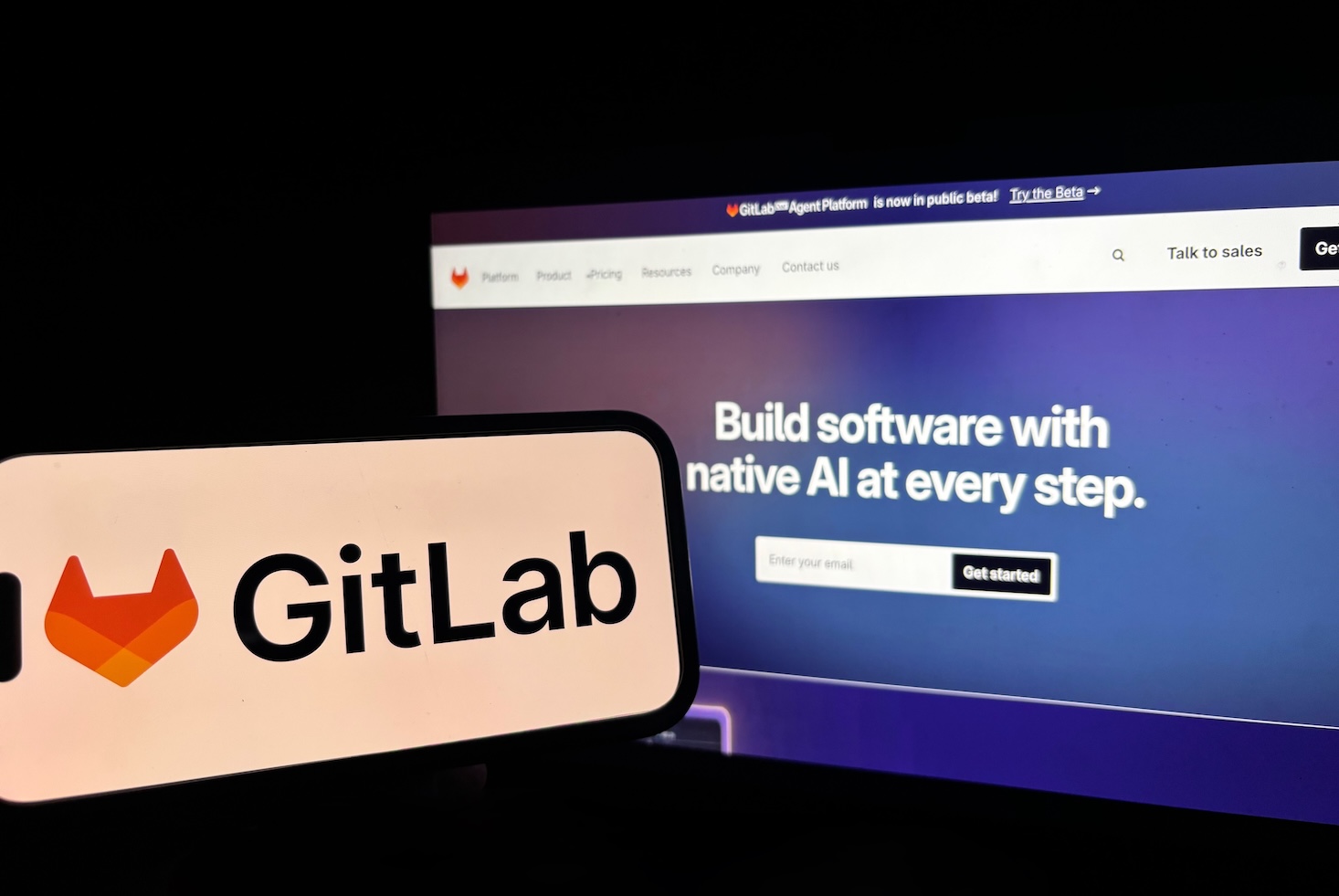
    Gitlab, which sells software coding tools used by more than half of Fortune 500 companies including Nvidia and Goldman Sachs, is adding artificial intelligence features across its product portfolio and using them to improve productivity.

    Environmental considerations were integrated into both plans, and Gitlab adopted guidelines in 2025 that define what AI software vendors should disclose as part of sales contracts. Gitlab’s chief information officer helped write those rules.

    “We don’t want to discourage AI use,” said Stacy Cline, senior director of sustainability at Gitlab. “Our goal is to encourage intentional use, since efficient prompts and workflows reduce both cost and energy consumption. It’s important that employees understand the energy and resources behind the tools they’re using every day.”

    Gitlab’s “Green DevOps” policy, which incorporates sustainability considerations into software app design processes, considers factors such as the carbon footprint associated with different cloud computing services used for training or to run queries.

    “Within sustainable AI, we focus on understanding its carbon cost, encouraging responsible use, getting the right data and systems set up to measure our emissions and being transparent about our work,” Cline said.

    Gitlab’s direct emissions are negligible. Its top sources of greenhouse gas emissions are purchased goods and services, especially cloud software from Amazon Web Services and Google, and business travel.

    These categories account for 52 percent and 43 percent of Gitlab’s overall carbon footprint, respectively, according to its 2025 sustainability report. (Based on past publishing dates, Gitlab’s next report is due in mid-July.)  

    Gitlab pledged to get 70 percent of its biggest-emitting suppliers to set science-based emissions reduction targets by 2029. It hasn’t provided a recent progress report about that goal, but is talking about next steps with more than 85 of its closest partners.

    AI-boosted shortcuts

    Gitlab’s sustainability team created several AI agents to support its agenda, including a tool to review “hundreds” of requests for proposals and customer questionnaires.

    To help tame the company’s large travel-related footprint, the team compiled a list of event sustainability suggestions and wrote an AI prompt that can be used by employees planning events to compare the carbon impact of various destinations. The information is part of Gitlab’s corporate handbook.

    The team also used NotebookLM, which uses specific documents to generate responses, to digest information from lengthy sustainability and ESG disclosures and create specialized content for its sales team. The output was a mini-podcast that suggests five talking points that a salesperson can use with customers that have corporate sustainability commitments.

    “By doing this, we ensured that the most relevant content reaches the right audiences in a format that’s easy to digest,” Cline said

    Gitlab is also encouraging other developers — its tools have more than 50 million registered users — to use AI as the foundation for new corporate sustainability applications. 

    The company hosts quarterly hackathons, which now include a “green agent” category. The winning green agent for the hackathon hosted in February and March of this year was Green Pipe, which estimates carbon emissions associated with design choices made during software development processes.


    Source link

    Share. Facebook Twitter Pinterest LinkedIn Tumblr Email

    Related Posts

    Major nurdle clean-up launched after Tyne vessel collision

    July 26, 2026

    The Green Economy Just Crossed $10 Trillion. Here’s Where the Growth Actually Is

    July 25, 2026

    Netflix’s CSO quits for new storytelling role

    July 23, 2026

    China’s Electric Trucks, Diesel’s Peak, and What Western Planners Still Don’t See

    July 22, 2026

    Government appoints single regulator to advance £175m Port of Tyne clean energy hub plans

    July 20, 2026

    Crypto and the Climate: Can Blockchain Ever Go Green?

    July 19, 2026
    Top Posts

    Understanding U-Net Architecture in Deep Learning

    November 25, 202566 Views

    Hard-braking events as indicators of road segment crash risk

    January 14, 202634 Views

    Redefining AI efficiency with extreme compression

    March 25, 202632 Views
    Don't Miss

    2022 IEEE President K.J. Ray Liu Honored for Leadership

    July 27, 2026

    Unlike many budding engineers, K.J. Ray Liu wasn’t inspired to enter the field by tinkering…

    How lasers could help provide fuel for nuclear reactors

    July 27, 2026

    How to Store Petabytes of Data Without Renting It From the Cloud |

    July 27, 2026

    ios – iCloud Dashboard returns “Internal Error” when querying records across all containers

    July 27, 2026
    Stay In Touch
    • Facebook
    • Instagram
    About Us

    At GeekFence, we are a team of tech-enthusiasts, industry watchers and content creators who believe that technology isn’t just about gadgets—it’s about how innovation transforms our lives, work and society. We’ve come together to build a place where readers, thinkers and industry insiders can converge to explore what’s next in tech.

    Our Picks

    2022 IEEE President K.J. Ray Liu Honored for Leadership

    July 27, 2026

    How lasers could help provide fuel for nuclear reactors

    July 27, 2026

    Subscribe to Updates

    Please enable JavaScript in your browser to complete this form.
    Loading
    • About Us
    • Contact Us
    • Disclaimer
    • Privacy Policy
    • Terms and Conditions
    © 2026 Geekfence.All Rigt Reserved.

    Type above and press Enter to search. Press Esc to cancel.