
Close Menu
geekfence.comgeekfence.com
    What's Hot

    The new growth playbook: capturing non-linear revenue growth through value-linked operating models 

    April 10, 2026

    Agents don’t know what good looks like. And that’s exactly the problem. – O’Reilly

    April 10, 2026

    Best agentic AI platforms: Why unified platforms win

    April 10, 2026
    Facebook X (Twitter) Instagram
    • About Us
    • Contact Us
    Facebook Instagram
    geekfence.comgeekfence.com
    • Home
    • UK Tech News
    • AI
    • Big Data
    • Cyber Security
      • Cloud Computing
      • iOS Development
    • IoT
    • Mobile
    • Software
      • Software Development
      • Software Engineering
    • Technology
      • Green Technology
      • Nanotechnology
    • Telecom
    geekfence.comgeekfence.com
    Home»Mobile»Here’s how NASA cleared the iPhone 17 Pro Max for astronauts on Artemis II
    Mobile

    Here’s how NASA cleared the iPhone 17 Pro Max for astronauts on Artemis II

    AdminBy AdminApril 4, 2026No Comments3 Mins Read8 Views
    Facebook Twitter Pinterest LinkedIn Telegram Tumblr Email
    Here’s how NASA cleared the iPhone 17 Pro Max for astronauts on Artemis II
    Share
    Facebook Twitter LinkedIn Pinterest Email


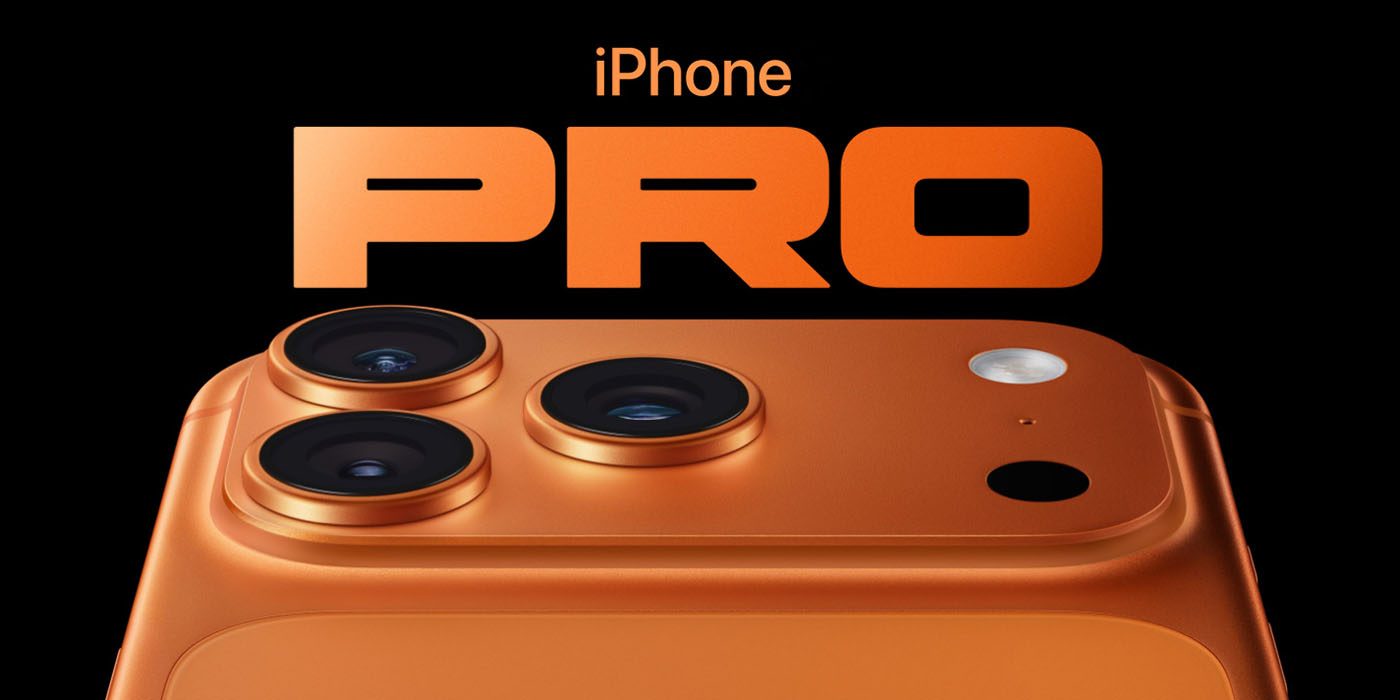
    As analyst says Apple will skip the iPhone 19, is it time to drop the numbers | Apple graphic with iPhone Pro in place of iPhone 17 Pro

    Earlier this year, NASA administrator Jared Isaacman confirmed that astronauts on the Artemis II mission would be allowed to ”fly with the latest smartphones.” Now, The New York Times has reported what it took to make that happen.

    No connectivity, just photos and videos

    Right now, there are four iPhones 17 Pro Max zipping towards the moon at about 25,000 mph.

    And although this is not the first time an iPhone has been on a space mission, Artemis II marks the first time NASA has given each crew member an iPhone so they can take photos and videos.

    Apple said it wasn’t involved with NASA’s process for approving iPhones for the Artemis II mission. The company said the mission was the first time an iPhone had fully qualified for extended use in orbit and beyond.

    In fact, taking photos and videos is pretty much all the devices can do, since NASA has confirmed to The Times that they “can’t connect to the internet or use Bluetooth.”

    But clearing them for flight wasn’t a trivial task, according to the report:

    “Typically, the process has four phases, (Tobias Niederwieser, an assistant research professor at BioServe Space Technologies) said. The first introduces the piece of hardware to a safety panel. The second identifies the potential hazards of the hardware, which ranges from moving parts to materials like glass that could shatter. The third lays out a plan for addressing such hazards. The fourth proves that the plan works.”

    The iPhone 17 Pro Max features Ceramic Shield 2 on the front and Ceramic Shield on the back. According to Apple, Ceramic Shield 2 is “tougher than any smartphone glass.”

    But shatterability wasn’t the only aspect NASA had to consider, per the NYT report:

    The process is meant to protect both the crew and the spacecraft, he said. In “a perfectly sealed capsule” in microgravity, when the effects of gravity are so reduced that things appear to be weightless or in free fall, hardware will work in very different conditions than on Earth. Case in point: NASA discussed using Velcro to mount phones in the Orion capsule, the agency said. Before launch, at least one of the phones was zipped into a leg pocket on a flight suit.

    You can watch an iPhone 17 Pro Max being packed into the suit of astronaut Jeremy Hansen in the video below:

    New iPhones are being packed into the suits of the Artemis II Crew!

    There is something very familiar about the iPhone look that will make the Moon feel accessible, we are literally going to see the lunar surface through the same lens we use to capture our own lives every day. pic.twitter.com/sDDM5NSRMX

    — Owen Sparks (@OwenSparks) April 1, 2026

    Despite their bespoke role, the four iPhones aren’t the only cameras onboard. The crew also has access to four GoPro Hero 11 cameras and two Nikon D5 bodies, one of which captured this striking image of Earth illuminated by the full moon:

    We see our home planet as a whole, lit up in spectacular blues and browns. A green aurora even lights up the atmosphere. That’s us, together, watching as our astronauts make their journey to the Moon. pic.twitter.com/6JkKufBgtJ

    — NASA (@NASA) April 3, 2026

    Whether the Artemis II crew will capture equally stunning photos and videos with their iPhones remains to be seen.

    To keep up with what the astronauts share, follow this link.

    Worth checking out on Amazon

    Add 9to5Mac as a preferred source on Google
    Add 9to5Mac as a preferred source on Google

    FTC: We use income earning auto affiliate links. More.



    Source link

    Share. Facebook Twitter Pinterest LinkedIn Tumblr Email

    Related Posts

    Every fusion startup that has raised over $100M

    April 10, 2026

    How the APV Codec Powers the Full Mobile Video Experience on Galaxy S26 Ultra – Samsung Global Newsroom

    April 9, 2026

    How the New Firefox VPN Protects Your Data From Prying Eyes

    April 8, 2026

    Increase Guidance and Control over Agent Mode with Android Studio Panda 3

    April 7, 2026

    The next flagship Snapdragon chipset: big GPU energy, petite CPU expectations?

    April 6, 2026

    I just want Samsung to unlock its Galaxy Watch lineup

    April 5, 2026
    Top Posts

    Understanding U-Net Architecture in Deep Learning

    November 25, 202527 Views

    Hard-braking events as indicators of road segment crash risk

    January 14, 202624 Views

    Redefining AI efficiency with extreme compression

    March 25, 202622 Views
    Don't Miss

    The new growth playbook: capturing non-linear revenue growth through value-linked operating models 

    April 10, 2026

    For years, the software and services industries operated within a clear division of roles: software defined what could…

    Agents don’t know what good looks like. And that’s exactly the problem. – O’Reilly

    April 10, 2026

    Best agentic AI platforms: Why unified platforms win

    April 10, 2026

    Launching S3 Files, making S3 buckets accessible as file systems

    April 10, 2026
    Stay In Touch
    • Facebook
    • Instagram
    About Us

    At GeekFence, we are a team of tech-enthusiasts, industry watchers and content creators who believe that technology isn’t just about gadgets—it’s about how innovation transforms our lives, work and society. We’ve come together to build a place where readers, thinkers and industry insiders can converge to explore what’s next in tech.

    Our Picks

    The new growth playbook: capturing non-linear revenue growth through value-linked operating models 

    April 10, 2026

    Agents don’t know what good looks like. And that’s exactly the problem. – O’Reilly

    April 10, 2026

    Subscribe to Updates

    Please enable JavaScript in your browser to complete this form.
    Loading
    • About Us
    • Contact Us
    • Disclaimer
    • Privacy Policy
    • Terms and Conditions
    © 2026 Geekfence.All Rigt Reserved.

    Type above and press Enter to search. Press Esc to cancel.
