

Close Menu
geekfence.comgeekfence.com
    What's Hot

    Application development platforms enter the AI-native era

    April 6, 2026

    Gibraltar Licenses First Prediction Markets Operator Amid Gambling Shift

    April 6, 2026

    Engineering Storefronts for Agentic Commerce – O’Reilly

    April 6, 2026
    Facebook X (Twitter) Instagram
    • About Us
    • Contact Us
    Facebook Instagram
    geekfence.comgeekfence.com
    • Home
    • UK Tech News
    • AI
    • Big Data
    • Cyber Security
      • Cloud Computing
      • iOS Development
    • IoT
    • Mobile
    • Software
      • Software Development
      • Software Engineering
    • Technology
      • Green Technology
      • Nanotechnology
    • Telecom
    geekfence.comgeekfence.com
    Home»Cyber Security»Nigerian romance scammer jailed after being caught out by fellow fraudster
    Cyber Security

    Nigerian romance scammer jailed after being caught out by fellow fraudster

    AdminBy AdminApril 5, 2026No Comments3 Mins Read0 Views
    Facebook Twitter Pinterest LinkedIn Telegram Tumblr Email
    Nigerian romance scammer jailed after being caught out by fellow fraudster
    Share
    Facebook Twitter LinkedIn Pinterest Email


    A Nigerian man who posed as a woman online to swindle men out of their savings has been sentenced to 15 years in a US prison. And in a surprising twist, it turns out that he was caught out after accidentally trying to swindle a fellow fraudster.

    35-year-old Saheed Sunday Owolabi was sentenced after a jury trial in Wilmington, North Carolina, which saw him convicted of conspiracy to commit wire fraud and money laundering.

    According to evidence presented at the trial, Owolabi would pretend to be a woman online to build relationships with men across the United States. He and his fellow conspirators exploited the fake online relationships to convince their victims into handing over money and personal information. Bank accounts provided by victims were then used to launder money from other frauds they were committing.

    Owolabi’s crimes went beyond romance fraud. During the COVID-19 pandemic, he and his conspirators managed to gain unauthorised access to information about the sale of a house, and sent forged emails telling their victim to transfer funds to a bank account under their control.

    In all, over US $1.5 million is said to have been laundered to Nigeria from victims across the United States – including one victim from North Carolina who lost more than US $120,000.

    It wasn’t all plain sailing for Owalbi, however. Investigators uncovered evidence that the scammer was not above been fooled himself.

    On one occasion, Owolabi was in the middle of an attempt to groom his “romance” target into sending him money, when it turned out that the person he was communicating with was not a vulnerable victim – but instead also a scammer.

    Once the two realised they both worked in the same “industry” the conversation shifted from following romance scam scripts to criticism of Owolabi’s amateurish technique, with the other scammer reportedly mocking his game and told him to “learn how to do a clean job.”

    The obvious implication is that the other scammer felt that Owolabi’s technical and social engineering skills were below par for someone believing themselves to be a high-level international fraudster.

    While the interaction sounds amusing, the chat logs actually proved devastating for Owolabi’s defence as they proved he was not a “middleman,” and that he knew what he was doing as a leading member of the scam gang and was actively attempting to improve his “craft.”

    Owolabi was also not shy about enjoying the benefits of his success as a fraudster. At sentencing, prosecutors revealed images that had been discovered on his phone at the time of his arrest, showing how he had spent his stolen fortune on expensive items.
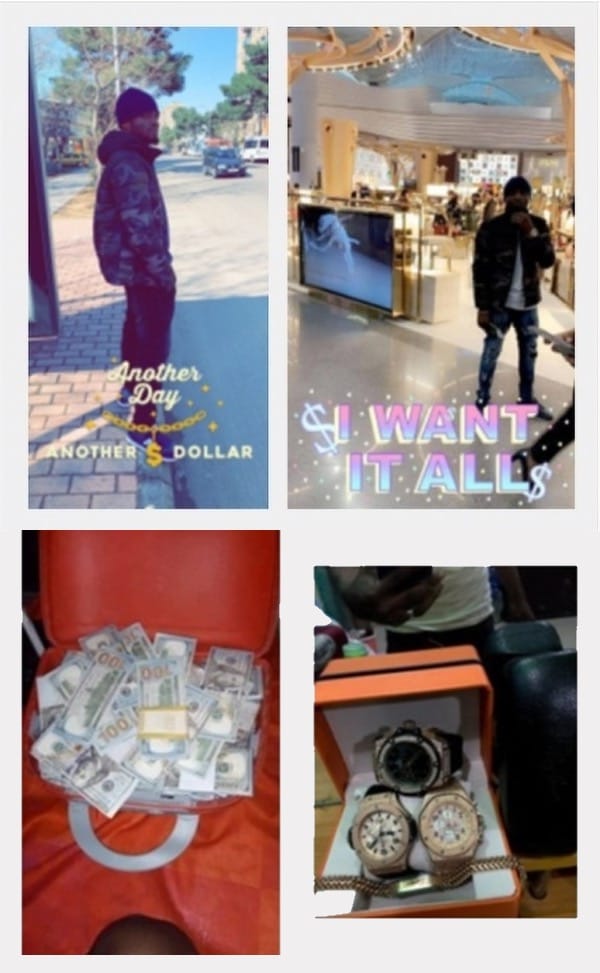
    Chief US District Judge Richard E. Myers II determined that Owolabi was a leading figure within an extensive fraud operation, who caused substantial financial hardship to victims.

    Romance scams remain among the most financially devastating forms of cybercrime, exploiting human emotion rather than technical vulnerabilities.

    The victims of romance scam are not tricked by malware. Instead they are deceived by the belief that someone genuinely cares about them.

    For Owolabi, the next 15 years in a US federal prison will give him plenty of time to reflect on what it actually means to be conned.


    Source link

    Share. Facebook Twitter Pinterest LinkedIn Tumblr Email

    Related Posts

    Complicated vs. Complex: Why Modern Healthcare Demands a Unique Approach to Cybersecurity

    April 6, 2026

    Google Workspace’s continuous approach to mitigating indirect prompt injections

    April 4, 2026

    Microsoft still working to fix Exchange Online mailbox access issues

    April 3, 2026

    Pre-Auth Chains, Android Rootkits, CloudTrail Evasion & 10 More Stories

    April 2, 2026

    Feds Disrupt IoT Botnets Behind Huge DDoS Attacks – Krebs on Security

    April 1, 2026

    How Silver Fox preys on Japanese firms this tax season

    March 31, 2026
    Top Posts

    Understanding U-Net Architecture in Deep Learning

    November 25, 202527 Views

    Hard-braking events as indicators of road segment crash risk

    January 14, 202624 Views

    Redefining AI efficiency with extreme compression

    March 25, 202622 Views
    Don't Miss

    Application development platforms enter the AI-native era

    April 6, 2026

    For years, application development platforms have competed on familiar dimensions: speed of build, workflow orchestration,…

    Gibraltar Licenses First Prediction Markets Operator Amid Gambling Shift

    April 6, 2026

    Engineering Storefronts for Agentic Commerce – O’Reilly

    April 6, 2026

    Life After Retirement: How to Enjoy a Comfortable Future

    April 6, 2026
    Stay In Touch
    • Facebook
    • Instagram
    About Us

    At GeekFence, we are a team of tech-enthusiasts, industry watchers and content creators who believe that technology isn’t just about gadgets—it’s about how innovation transforms our lives, work and society. We’ve come together to build a place where readers, thinkers and industry insiders can converge to explore what’s next in tech.

    Our Picks

    Application development platforms enter the AI-native era

    April 6, 2026

    Gibraltar Licenses First Prediction Markets Operator Amid Gambling Shift

    April 6, 2026

    Subscribe to Updates

    Please enable JavaScript in your browser to complete this form.
    Loading
    • About Us
    • Contact Us
    • Disclaimer
    • Privacy Policy
    • Terms and Conditions
    © 2026 Geekfence.All Rigt Reserved.

    Type above and press Enter to search. Press Esc to cancel.