


Robert Triggs / Android Authority
Modern smartphone cameras are impressive beasts, as many camera phones combine cutting-edge hardware with advanced image processing capabilities. Some of the more notable innovations in recent years include periscope cameras, 200MP sensors, and all-pixel autofocus.
However, one of my favorite hardware features arrived in 2022: one-inch camera sensors. Unfortunately, adoption of this tech has seemingly stalled in the last year or so, and it doesn’t look like we’ll see much of it in 2026. What went wrong?
Do you prefer larger camera sensors or more megapixels?
276 votes
One-inch cameras were the future — until they weren’t

Aamir Siddiqui / Android Authority
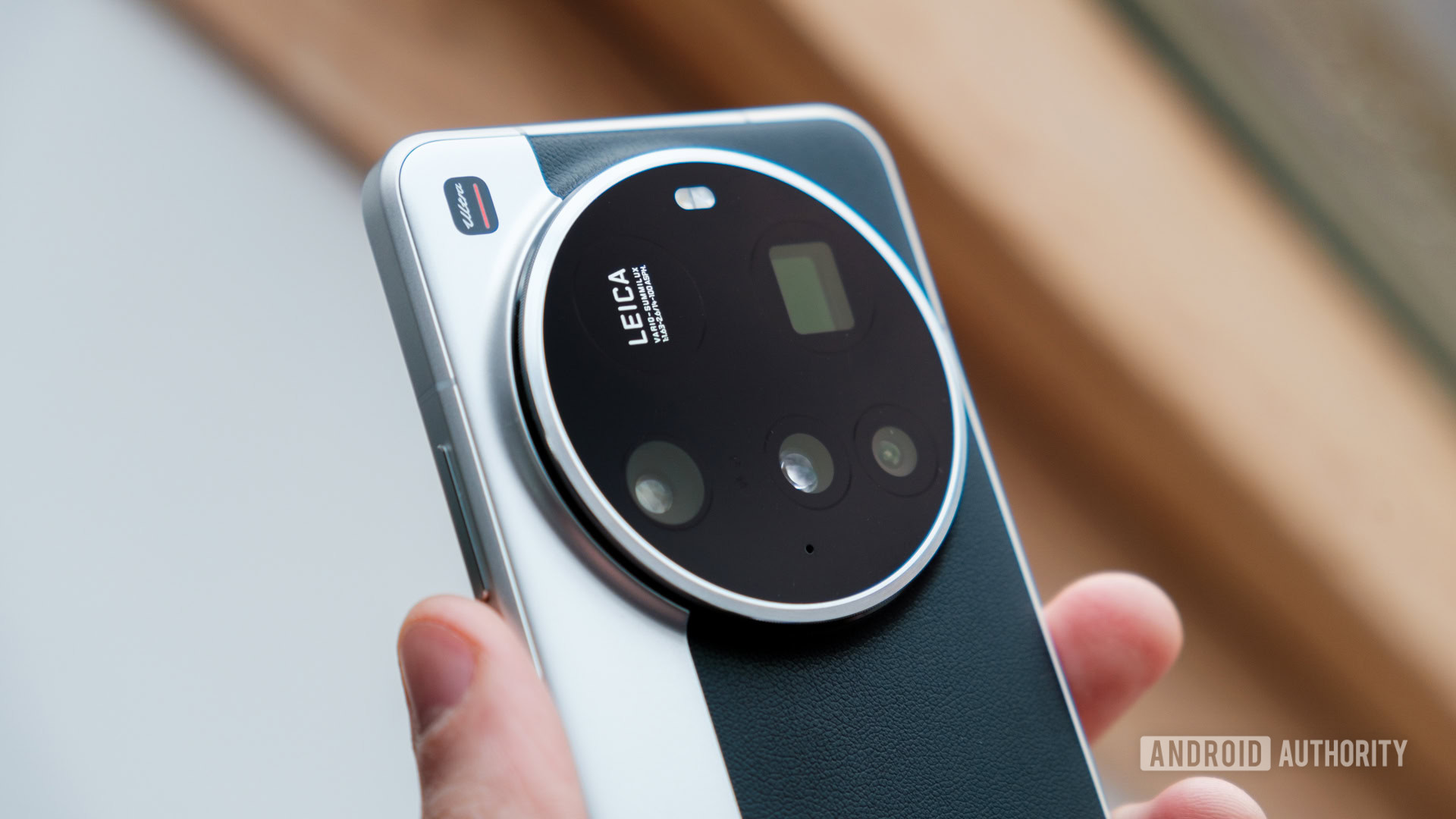
One-inch 50MP camera sensors debuted on the Xiaomi 12s Ultra back in 2022, and it really felt like this was the next big thing. In fact, Xiaomi, vivo, OPPO, and HUAWEI wasted little time bringing this tech to their top-end phones.
Fast-forward to 2026, though, and it seems like smartphone makers aren’t so crazy about this technology. Vivo offered a one-inch 50MP main camera on the X90 Pro and X100 Pro, but skipped it on subsequent releases. The Xiaomi 13 Pro also used this sensor, but subsequent Pro handsets, such as the Xiaomi 17 Pro Max, don’t include it.
Don’t want to miss the best from Android Authority?


It’s not all bad news, as HUAWEI continues to offer this feature on its Pro and Ultra phones. OPPO and Xiaomi no longer offer this feature on their Pro handsets but retain it on their Ultra models. In other words, you can still find phones with one-inch sensors if you look hard enough or are willing to import them. However, fewer phones offer this camera technology today.
I also expected the likes of Samsung, Google, Apple, and Sony to join the one-inch sensor train, but this hasn’t happened to date. That’s disappointing, as these large sensors offer multiple benefits over smaller cameras.
One notable perk is a shallower depth-of-field effect without resorting to software trickery. This results in photos with more pleasant and accurate bokeh. These large sensors also boast impressive light-gathering, resulting in brighter, cleaner shots with improved dynamic range. This also reduces motion blur, since the shutter doesn’t have to stay open as long, allowing you to freeze subjects even in mixed lighting. Phones like the Xiaomi 14 Ultra and vivo X100 Pro also make good use of these sensors, delivering impressive low-light snaps, while the latter even offers a handheld astrophotography mode.
Why large camera sensors have stalled out

Robert Triggs / Android Authority
Perhaps the biggest reason why we haven’t seen wider adoption of one-inch cameras is space constraints. These sensors take up a lot of space inside the phone, forcing manufacturers to implement giant camera bumps. Needless to say, these huge housings are unsightly and can result in a less ergonomic device. I know I sometimes struggle to place my index finger when using a phone with an Oreo-sized camera bump. These large housings can also cause a phone to wobble significantly when used on a flat surface.
It also doesn’t help that Apple and Samsung went in another direction altogether by offering ultra-thin smartphones in 2025. These devices are so thin that cramming multiple rear cameras into the frame is a challenge, let alone a one-inch camera sensor or a telephoto lens. Thankfully, consumers have largely neglected thin devices like the Galaxy S25 Edge due to the compromised cameras, shorter battery life, and high price tags.
From the growing importance of secondary cameras to space constraints, there are a few possible reasons why one-inch sensors haven’t truly taken off.
Another issue with one-inch cameras is that the sensor must be farther from the lens for optimal focusing and image quality. In fact, HUAWEI’s Pura 70 Ultra (seen above) features a retractable primary camera lens to increase the distance between the lens and sensor. HUAWEI and Xiaomi have also paired one-inch cameras with a variable aperture to combat focusing and depth-of-field issues associated with these large sensors. But retractable lenses and variable apertures also increase hardware complexity and drive up costs.
Speaking of costs, I imagine that companies like Apple and Samsung haven’t adopted one-inch cameras because these components would reduce profit margins. Instead, Samsung in particular sticks with the same main camera sensors for multiple years.

Hadlee Simons / Android Authority
Another potential reason why huge main sensors haven’t gained traction is that telephoto cameras have become increasingly important — I know this is my favorite camera on several flagships these days. These zoom-focused modules take up significant space, particularly as manufacturers offer increasingly larger telephoto sensors and more complex periscope designs. It therefore makes sense to slightly reduce the primary camera’s size to enable better zoom.
Smaller camera sensors have also caught up with one-inch sensors in some ways. Vivo switched to a smaller, LYT-818 main camera (1/1.28-inch) for the X200 Pro. It claimed that this camera has better video quality than the one-inch IMX989 sensor and comparable photo quality. Of course, vivo compared this smaller main sensor to the first-generation one-inch sensor rather than the second-generation LYT-900. Nevertheless, the vivo X300 Pro and OPPO Find X9 Pro now use the LYT-828 main camera sensor (1/1.28-inch), which offers advanced HDR capabilities and ultra-high conversion gain tech that’s missing from one-inch sensors.
Are one-inch sensors completely dead in 2026?

Dhruv Bhutani / Android Authority
That all said, it sounds like one-inch camera sensors aren’t going anywhere just yet — at least not completely. In fact, recent developments could lead to more phones with this tech in the future. The brand-new Xiaomi 17 Ultra features a new one-inch sensor from the Chinese brand Omnivision, and a fellow Chinese company, SmartSens, launched a one-inch sensor in July 2025.
This is an encouraging development, as it means Sony is no longer the only company offering one-inch cameras. In theory, this diversified supply chain could reduce costs and, therefore, lead to greater proliferation of these sensors.
However, Sony also seems bullish on large camera sensors. The company disclosed a graph earlier this year that predicts large sensors to grow in popularity on high-end phones until 2028.

“Historically until now, the technology of our mobile sensors has evolved first through multiple cameras and then larger-sized sensors up to 1-inch, and this has helped our business growth,” Sony told Android Authority in response to emailed questions, while noting that the adoption of large sensors in general was progressing “smoothly.”
Then again, the next big camera sensor upgrade might not be a one-inch sensor after all. Sony recently announced the 200MP LYT-901 camera sensor (1/1.12-inch), which is significantly larger than current 200MP sensors and slightly smaller than 50MP one-inch sensors. Leaks suggest that OPPO and vivo could utilize this sensor as the main camera in their upcoming Ultra phones.
As such, the Xiaomi 17 Ultra and its new one-inch sensor might be the exception rather than the rule in 2026. That’s not to say smartphone cameras in 2026 won’t be incredible, but the dream of one-inch sensors on all flagships probably isn’t coming true this year.
Thank you for being part of our community. Read our Comment Policy before posting.