

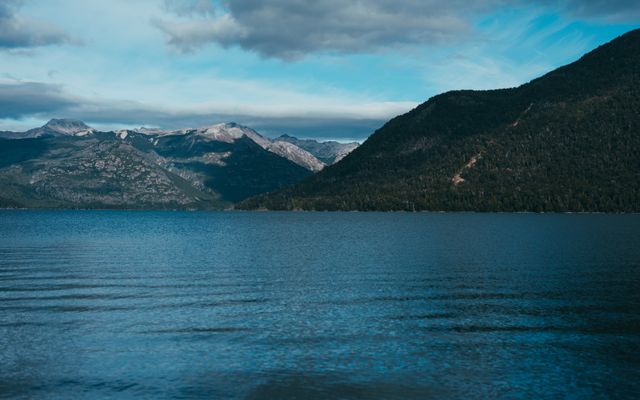
Patagonia draws people in for obvious reasons. The mountains are dramatic, the glaciers seem to stretch forever, and some of the world’s best multi-day hikes happen here. What often catches first-time visitors off guard is how carefully everything is managed.
At the main park entrances, rangers spend as much time explaining conservation rules as they do handing over maps. Information boards describe local wildlife, recent restoration work, and why certain trails or campsites occasionally close. After a few days here, it becomes clear that protecting the landscape isn’t treated as a separate project. It’s simply embedded into the fabric of Patagonia.
Torres del Paine and the Rise of Responsible Adventure
People researching the iconic W Trek in Patagonia usually focus on the famous viewpoints and glacier scenery. Once on the trail, the conservation measures become just as noticeable. Campsites have fixed capacities, hikers follow designated trails, and park staff regularly check conditions along the route.
That structure didn’t appear by accident. Years of heavy visitor numbers showed exactly where erosion developed, where vegetation struggled to recover, and which areas needed closer management. Timber boardwalks now cover some of the softest ground, helping protect fragile plants that would otherwise disappear beneath thousands of boots each season.
The busiest viewpoints still attract plenty of people around midday, especially during the southern summer. Early mornings feel much quieter, and rangers often recommend starting walks early for practical reasons as much as avoiding crowds.
The Conservation Legacy Behind Torres del Paine’s Strict Access Policies
Some visitors arrive wondering why Patagonia has so many regulations. A look at the park’s recent history explains a lot.
Several large wildfires damaged thousands of acres of native forest over the past two decades. Some were caused by simple mistakes that quickly became uncontrollable in dry, windy conditions. Recovery has been slow, and signs along the trails still point out hillsides where young trees continue to grow back.
Today, campfires are prohibited across almost the entire trekking network. Cooking is limited to designated areas, waste has to leave with every visitor, and seasonal closures protect areas recovering from environmental damage.
Those rules become much easier to appreciate after walking through sections where the new lenga forest is slowly returning.
Rewilding in Action: What’s Returning to Patagonia’s Wild Landscapes
Conservation in Patagonia goes well beyond maintaining hiking trails. Large-scale rewilding projects have been restoring native habitats for years, and the changes are becoming easier to spot.
Guanacos graze across open grasslands in impressive numbers, while Andean condors circle above valleys throughout the afternoon once warmer air begins rising from the slopes. Pumas remain elusive, although wildlife guides regularly report sightings in protected areas where prey populations have recovered.
Wetlands have also received attention through restoration work designed to improve water quality and encourage native species to return. Scientists continue monitoring these habitats year-round, adjusting conservation efforts as conditions change. It’s ongoing work, not something treated as finished.
Sustainable Trail Infrastructure: EcoCamps, Solar Refugios and Waste Management
Environmental protection doesn’t stop once hikers reach camp for the evening.
Several overnight facilities now rely partly on solar power, water-saving systems, and low-impact construction designed for harsh weather. Some accommodation uses raised platforms to reduce pressure on the ground below, while composting toilets and carefully managed wastewater systems help protect nearby rivers and streams.
Waste management is taken seriously throughout the region. Supplies are carefully transported into remote camps, recycling facilities are available where practical, and hikers are expected to carry out everything they bring with them. Rangers occasionally check rubbish at trail exits, which encourages good habits without making the process feel heavy-handed.
How to Visit Patagonia Without Leaving a Mark
Patagonia doesn’t ask visitors to do anything complicated. Most of the guidelines are simply about respecting the landscape and helping keep it in good condition for the people who come next.
Marked trails exist for good reasons, even when a shortcut looks tempting. Cleaning hiking boots before entering sensitive areas helps stop invasive seeds from spreading, and giving wildlife plenty of space allows animals to continue behaving naturally. Rangers also remind visitors that feeding animals can alter their behaviour long after people have gone home.
Reusable water bottles and food containers cut down on unnecessary waste during multi-day hikes. Drones remain restricted across much of the region because they disturb nesting birds and other wildlife. It’s also worth checking the latest weather update at the ranger station before setting out each morning. Patagonia’s winds can change quickly, and a clear morning doesn’t always stay that way.
Patagonia is proving that wild places and responsible tourism can coexist
Patagonia has become one of the strongest examples of how conservation and tourism can support each other when both are managed carefully. Visitor limits, habitat restoration, renewable infrastructure, and practical education all play a part, although none of it feels intrusive once people are out on the trails.
After spending time here, it’s easy to understand why the region continues to protect its landscapes so carefully. The forests recovering from past fires, the wildlife returning to healthier habitats, and the condition of the hiking trails all reflect years of patient work.
Visitors play a role as well. Following the rules, carrying out waste, and respecting protected areas may seem like small actions on their own, but across an entire trekking season they make a measurable difference. Patagonia remains one of the few places where that partnership between conservation and tourism is visible every single day.