
Close Menu
geekfence.comgeekfence.com
    What's Hot

    Everest Group launches Innovation Watch on Agentic AI in Wealth Management Technology 

    July 21, 2026

    Apple says it fixed a vulnerability in its Hide My Email tool that let anyone see a user’s real email address; researchers first reported the issue in June 2025 (Joseph Cox/404 Media)

    July 21, 2026

    Alan Turing’s biggest AI assumption may have been wrong

    July 21, 2026
    Facebook X (Twitter) Instagram
    • About Us
    • Contact Us
    Facebook Instagram
    geekfence.comgeekfence.com
    • Home
    • UK Tech News
    • AI
    • Big Data
    • Cyber Security
      • Cloud Computing
      • iOS Development
    • IoT
    • Mobile
    • Software
      • Software Development
      • Software Engineering
    • Technology
      • Green Technology
      • Nanotechnology
    • Telecom
    geekfence.comgeekfence.com
    Home»Cyber Security»USB drives carrying China-linked malware infected Japanese military networks for nearly a year
    Cyber Security

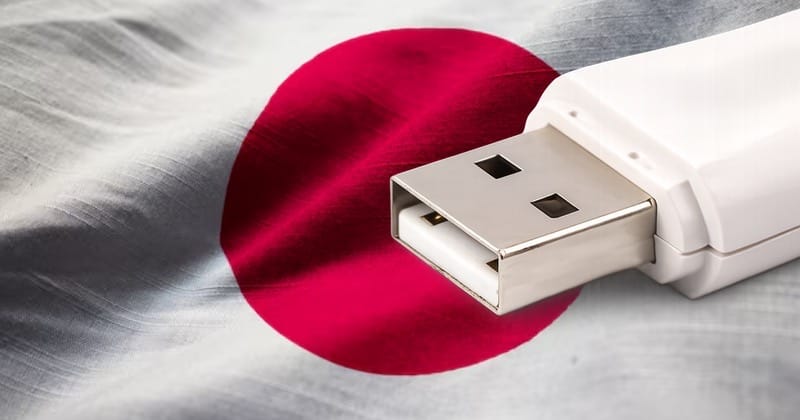
    USB drives carrying China-linked malware infected Japanese military networks for nearly a year

    AdminBy AdminJune 30, 2026No Comments3 Mins Read6 Views
    Facebook Twitter Pinterest LinkedIn Telegram Tumblr Email
    USB drives carrying China-linked malware infected Japanese military networks for nearly a year
    Share
    Facebook Twitter LinkedIn Pinterest Email


    Leaked internal documents have revealed that for nearly a year Japan’s Ground Self-Defense Force (JGSDF) used counterfeit USB flash drives infected with malware on computers connected to sensitive military networks. The USB drives have been linked to Chinese hacking operations, according to an investigation by Nikkei Asia.

    Nikkei Asia reports that the poisoned flash drives were delivered to the JGSDF in March 2024, during disaster relief operations following an earthquake in central Japan. Via this route they were able to enter military use without having passed through standard procurement channels.

    The malware was discovered in February 2025, after personnel at JGSDF’s Middle Army headquarters in Itami, near Osaka, noticed a computer running unusually slowly. Subsequent investigations found that six out of eight USB drives tested contained the same malicious code.

    The infected USB drives had been attached to over 50 computers, with nearly half of those systems used to handle classified data, including information about the movement of troops.

    Investigators matched the malware to a strain previously documented by an unnamed US cybersecurity firm, which had linked it to a Chinese hacking group. Neither the malware family nor the hacking group has been publicly named in reports.

    Japan’s Defense Ministry has downplayed the threat, with a spokesperson saying:

    “The malware was a legacy type one limited to self-replication behaviour and did not perform information exfiltration or external communication.”

    Adding to the confusion, the Epoch Times reports that a spokesperson for the Ishikawa Prefectural Government – which had been alleged in the leaked internal documents to have provided the USB drives to the JGSDF during the 2024 earthquake relief effort – said that “we could not confirm any record of procuring the USB drives or paying for their purchase.”

    With neither the prefecture nor the military able to produce a paper trail, the origin of the counterfeit drives remains a mystery, raising further questions about how easily compromised hardware can slip into sensitive environments when normal processes are bypassed during an emergency.

    Nikkei Asia says that the threat posed by the infected drives extends beyond the JGSDF. USB flash drives preloaded with the same malware have been sold across major online retail platforms, and infections have been seen at factories and research facilities across multiple industries in Japan. The counterfeit drives, priced 30 to 50 percent below authentic brands, were traced to seller accounts in China.

    According to Nikkei Asia, the JGSDF did not disclose the infection within its network, despite the counterfeit drives remaining widely available for purchase online. The Defense Ministry says it is continuing to investigate the circumstances surrounding acquisition of the drives and intends to enforce mandatory virus-scanning safeguards.

    Regular readers of Hot for Security will be well aware of the threat posed by pre-infected USB drives, where malware can hide until a user inserts it into their computer.

    Clearly organisations need to check that they are only buying storage devices from verified and trusted vendors, and treat products selling for a suspiciously low price with caution.

    Furthermore, it would be wise to scan removable media on a dedicated isolated system prior to connecting it to any corporate network. In addition, computers should have any autorun or autoplay functionality disabled to prevent malicious code on a USB drive from being automatically activated upon attachment.


    Source link

    Share. Facebook Twitter Pinterest LinkedIn Tumblr Email

    Related Posts

    Ukraine warns fake CAPTCHAs are being used to make you hack yourself

    July 21, 2026

    UAC-0145 Uses ClickFix CAPTCHAs to Infect Ukrainian Devices wih Malware

    July 19, 2026

    Microsoft Patches a Record 570 Security Flaws – Krebs on Security

    July 18, 2026

    Forgotten UEFI shims undermining Secure Boot

    July 17, 2026

    UK Puts AWS, Azure, Google Cloud, and Oracle Under Direct Financial Oversight

    July 16, 2026

    Lean IT, future-ready: Making wireless careers attractive in the age of AI

    July 15, 2026
    Top Posts

    Understanding U-Net Architecture in Deep Learning

    November 25, 202562 Views

    Hard-braking events as indicators of road segment crash risk

    January 14, 202631 Views

    Redefining AI efficiency with extreme compression

    March 25, 202630 Views
    Don't Miss

    Everest Group launches Innovation Watch on Agentic AI in Wealth Management Technology 

    July 21, 2026

    Artificial Intelligence (AI) is becoming a standard capability across wealth management technology platforms. Advisor copilots, automated meeting preparation,…

    Apple says it fixed a vulnerability in its Hide My Email tool that let anyone see a user’s real email address; researchers first reported the issue in June 2025 (Joseph Cox/404 Media)

    July 21, 2026

    Alan Turing’s biggest AI assumption may have been wrong

    July 21, 2026

    Why Data-Driven Businesses Still Use USB Drives

    July 21, 2026
    Stay In Touch
    • Facebook
    • Instagram
    About Us

    At GeekFence, we are a team of tech-enthusiasts, industry watchers and content creators who believe that technology isn’t just about gadgets—it’s about how innovation transforms our lives, work and society. We’ve come together to build a place where readers, thinkers and industry insiders can converge to explore what’s next in tech.

    Our Picks

    Everest Group launches Innovation Watch on Agentic AI in Wealth Management Technology 

    July 21, 2026

    Apple says it fixed a vulnerability in its Hide My Email tool that let anyone see a user’s real email address; researchers first reported the issue in June 2025 (Joseph Cox/404 Media)

    July 21, 2026

    Subscribe to Updates

    Please enable JavaScript in your browser to complete this form.
    Loading
    • About Us
    • Contact Us
    • Disclaimer
    • Privacy Policy
    • Terms and Conditions
    © 2026 Geekfence.All Rigt Reserved.

    Type above and press Enter to search. Press Esc to cancel.