

Spring cleanup season looks different in a fast-growing city like Murfreesboro. It often overlaps with remodels, tenant turnovers, landscaping work, roofing jobs, and new construction. That matters because renovation debris builds fast, and a lot of it does not belong in a mixed landfill load from the start. The better move is to plan for reuse, recycling, special handling, and disposal before the first pile forms. That is not just better for the environment. In Rutherford County, it is also the practical way to deal with a waste system that does not accept every material at every site.
That planning matters even more as the city grows. Murfreesboro had a population of 152,769 in the 2020 Census. The U.S. Census Bureau estimated 168,387 residents on July 1, 2024. More homes, more commercial turnover, and more building work usually mean more debris from repairs, cleanouts, and construction. In a city growing this quickly, waste handling becomes part of the broader sustainability picture, alongside energy use, transportation, and land use.
Why renovation waste deserves more attention
Construction and demolition waste is not a minor issue. EPA guidance treats it as a major materials category and puts the focus on source reduction, reuse, deconstruction, and material separation before everything gets mixed together. Once wood, cardboard, metal, drywall, fixtures, and trash are thrown into one dirty pile, recovery gets harder and more expensive.
That is where many spring cleanup projects go wrong. Disposal gets treated as the last step instead of part of the job from the beginning. For a homeowner, that often means throwing away reusable cabinets, doors, sinks, or appliances that still had value. For a business, it can mean mixing recyclable cardboard, shelving, and metal fixtures into general debris. For a contractor, it usually means taking a manageable sorting job and turning it into a more expensive mixed-waste load with fewer recovery options.
What Rutherford County actually accepts
Local rules matter here. In Rutherford County, convenience centers are not a catch-all option for cleanup debris. County guidance says commercial waste and construction and demolition debris are not accepted at convenience centers. Those loads must go to the Rutherford County Transfer Station. Convenience centers are meant for residential household waste, recyclables, and certain bulk items within posted limits.
That distinction matters because many people assume any local waste site will take renovation debris. In Rutherford County, that is not true. The Rutherford County Landfill has not accepted construction or demolition materials since February 23, 2018. It continues to accept brush and off-the-rim tires, not general C and D loads. The active county system routes construction and demolition debris to the Transfer Station, not the landfill or neighborhood convenience centers.
There are also local details that affect cleanup planning. County solid waste information says the Leanna Convenience Center in Murfreesboro accepts electronics, oil-based paint, and fluorescent bulbs along with standard recycling materials. The Haley Road location halted operations for remodeling on June 24, 2024. For residents handling cleanup across several material types, those details change where items can actually go.
For homeowners, salvage first, then sort
For homeowners, the best waste-reduction step often happens before demolition starts. If a kitchen, bathroom, garage, porch, or interior room is being updated, some materials still have reuse value as they are. Cabinets, sinks, doors, mirrors, hardware, lighting, shelving, and working appliances can often be donated or resold if they are removed carefully and kept intact. In Murfreesboro, the Rutherford County Area Habitat ReStore offers a real local reuse path for new and gently used household items and building materials.
This matters even more in older homes. Solid wood parts, older fixtures, and durable finish materials often still have years of useful life left. A rushed tear-out destroys that value fast. Planned removal gives people a better shot at saving usable items before dust, breakage, and contamination ruin them. EPA guidance makes the same basic point, reuse and deconstruction sit higher on the list than dumping mixed debris.
After salvage, sorting matters. Clean cardboard, scrap metal, and some appliances are easier to handle when they are kept separate from dusty mixed waste. The same goes for yard waste, brush, and ordinary bulk household items, which often follow different local rules than demolition debris. The earlier those categories are separated, the easier it is to use the right facility and avoid rejected loads or extra disposal fees.
For businesses, build waste sorting into the turnover plan
Commercial cleanouts create a different kind of waste stream. Office refreshes, restaurant remodels, retail resets, and tenant turnovers often produce cardboard, fixtures, shelving, furniture, flooring, packaging, and demolition debris all at once. Volume rises quickly, but so does the chance to divert materials if the job is organized early.
In practice, one simple step makes a big difference, set aside separate areas for reusable items, recyclable materials, and true trash before work begins. That keeps intact fixtures from getting smashed, stops cardboard from getting wet or dirty, and reduces the habit of treating everything as one pile. For property managers and tenants, waste handling should be part of the turnover plan, not something left until the last day.
This is also where a neutral, practical view matters. Responsible waste handling is not about promoting one hauler over another. It is about making sure the site has enough container space, clear sorting rules, and a disposal path that fits Rutherford County’s current system. In a city growing as fast as Murfreesboro, those ordinary decisions add up across offices, shopping centers, restaurants, and mixed-use properties.
On job sites, cleaner work usually means less waste
Contractors and subcontractors usually control the largest debris loads. New construction, re-roofing, siding replacement, demolitions, and major remodels generate waste fast. On active job sites, the problem is rarely a lack of recyclable or reusable material. The real problem is poor separation while the work is moving.
Cleaner sites usually get better waste results for a simple reason, sorting works best before materials get mixed together. Scrap metal, concrete, unpainted untreated wood, cardboard, and reusable fixtures stay far more recoverable when crews have clear staging areas or containers and know what belongs where. Once those materials are buried under insulation, painted debris, food waste, broken drywall, and general trash, the recovery value drops fast.
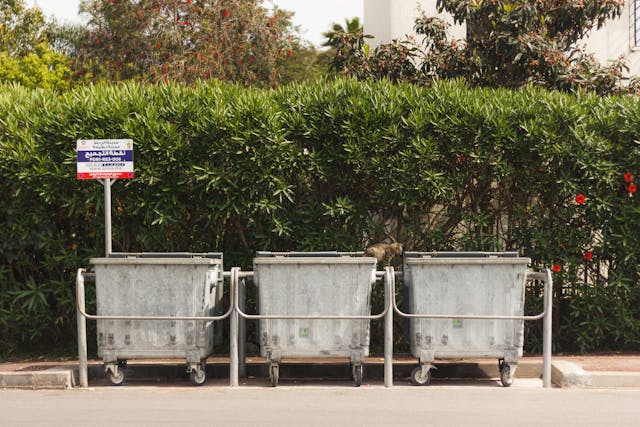
That does not mean every project needs a complicated waste plan, but for larger remodels, roofing jobs, demolitions, or site cleanups, arranging a dumpster rental Murfreesboro TN service can make it easier to keep debris contained and separate recoverable materials from general waste.. The basics usually matter more, enough container space, clear staging, fewer mixed piles, and a realistic understanding of what has to go to the Transfer Station and what can be handled through other recovery channels. Rutherford County’s current rules make that planning harder to ignore because construction and demolition debris cannot be dropped at convenience centers at the end of the job.
What should not be treated like ordinary renovation debris
Older homes and commercial properties can involve lead-based paint hazards, asbestos-containing materials, fluorescent lamps, refrigerant-bearing appliances, electronics, oil-based paint, propane cylinders, and treated or contaminated debris that need different handling.
Rutherford County’s own rules reflect that distinction. The county lists separate handling paths for electronics, oil-based paint, and fluorescent bulbs at the Leanna Convenience Center. It also explains that latex paint is handled differently. Once it is fully dry, it can go in the regular trash. Oil-based paint should be saved for special county collection events. That kind of material-by-material rule is exactly why cleanup planning has to happen before work starts, especially in older homes and mixed-use buildings.
Where regulated materials may be present, guessing is a bad idea. Safety and compliance questions need to be handled under Tennessee and federal rules, not folded into a general cleanup plan. A trustworthy renovation-waste plan is not just about reuse or diversion. It is also about spotting what needs special handling before demolition spreads dust, breaks materials apart, or contaminates the rest of the load.
A practical way to handle materials
A better spring cleanup plan follows a simple order.
Start by reducing waste at the source. Measure carefully, avoid over-ordering, and keep reusable materials intact when possible. EPA places source reduction at the top for a reason. The best waste is the waste that never enters the disposal stream.
Next, pull out items that can still be reused as they are. Cabinets, doors, shelving, lighting, hardware, and some appliances often have resale or donation value if they stay in decent condition. Local outlets like the Rutherford County Area Habitat ReStore make that more realistic for Murfreesboro-area projects.
Then separate recoverable materials before they get dirty or broken. Clean metal, cardboard, certain appliances, and some site materials are easier to manage when they are not buried in mixed debris. The exact outlet depends on the material and the local market, but sorting at the source always creates more options than trying to sort at the end.
After that, identify special materials early. Paint, bulbs, electronics, refrigerant-bearing equipment, and potentially regulated demolition materials need their own handling path. Many cleanup jobs fail right here because people assume everything belongs in the same load.
Finally, send the true leftover waste to the correct facility. In Rutherford County, that usually means knowing when debris belongs at the Transfer Station and not assuming the landfill or a convenience center will take construction and demolition material.
Why this matters for Murfreesboro
Cities do not become more sustainable through major projects alone. They also improve through better handling of ordinary, repeated work, cleanouts, remodels, tenant turnovers, roofing jobs, and site prep. In a place like Murfreesboro, where population and development pressure have risen sharply in recent years, those small decisions add up.
Spring cleanup is a good time to rethink what “throw it away” really means. Some materials can be reused. Some can be kept separate and recycled. Some need special handling. Some still need disposal. The local system works better when those categories are recognized early, before everything gets dumped into one mixed load. For Murfreesboro, that is the more accurate and locally responsible way to reduce renovation waste.