

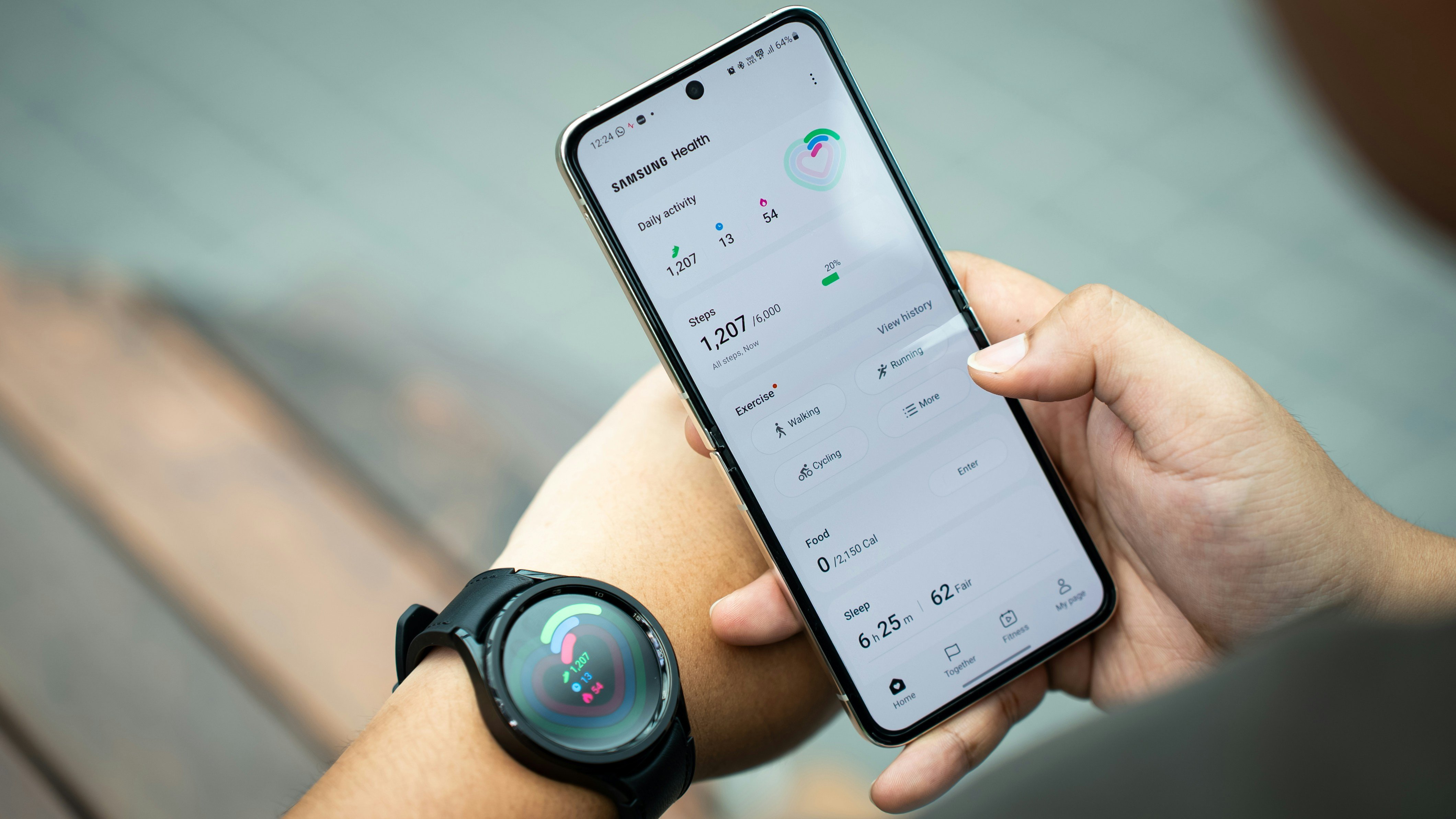
Wearable health data is moving beyond step counts and sleep scores.
On June 24, Samsung Electronics announced a partnership with German digital clinical research organization Alcedis to explore whether Galaxy Watch biometrics can support clinical trials for pharmaceutical and research organizations. The companies plan to study how real-world signals from consumer wearables could become validated endpoints or biomarkers for evaluating drug safety, efficacy, and patient outcomes.
For healthcare IT teams, the bigger question is not whether smartwatches can collect more data. It is whether that data can be secured, validated, audited, and integrated into regulated clinical research workflows.
How the partnership will work
Samsung announced the partnership on June 24, saying the companies will work to translate biometrics collected by wearable devices into clinically meaningful evidence for pharmaceutical and other research organizations.
“The future of clinical research is increasingly collaborative and brings together technology, scientific expertise, and research partners to generate a deeper understanding of human health,” said Jongmin Choi, head of the Health R&D Group in Samsung Electronics’ Mobile eXperience business.
Samsung said its research platform starts with Galaxy Watch devices and biosensors that collect physiological data from users who have consented in real-world environments.
The company pointed to measurements such as bioelectrical impedance analysis and electrodermal activity, along with Software as a Medical Device (SaMD) features for detecting obstructive sleep apnea and atrial fibrillation.
Alcedis will lead study execution and participant engagement, while Samsung will provide wearable technology and research infrastructure to support evidence generation.
“The future of clinical research depends on our ability to capture meaningful health data beyond traditional clinical settings,” said Hanno Härtlein, CEO of Alcedis, according to Samsung’s announcement.
The Korea Herald noted that Alcedis was founded in 1992 and conducts clinical research across oncology, cardiology, and neurology. The company is part of Huma, a global healthcare AI firm.
More about Innovation
Why wearable data matters in trials
Clinical trials have traditionally relied on controlled site visits, patient reporting, and periodic measurements. Wearables offer a different model by collecting health signals during everyday life.
The glucose-monitoring market shows why the stakes are rising.
Consumers are increasingly comfortable using wearables and sensors to understand health patterns, but clinical research requires a much higher standard than personal tracking.
For Samsung and Alcedis, the question is whether Galaxy Watch biometrics can move from useful signals to evidence that trial sponsors and regulators can trust.
If the approach works, clinical trial operators could use wearable-based signals to monitor participants more continuously, reduce some reliance on scheduled clinic visits, and collect data that better reflects daily conditions.
Why the data still has to prove itself
More real-world data could make studies less burdensome for participants and more useful for researchers, but only if the data is strong enough for clinical use.
Consumer wearables can generate large volumes of data, while clinical trials require measurements that are accurate, consistent, and tied to meaningful outcomes.
Healthcare IT leaders would also need to think through consent, identity, device management, data security, audit trails, and interoperability with existing research systems. Those requirements become more complex when consumer devices enter regulated research workflows.
A bigger role for wearables in research
Samsung’s partnership with Alcedis shows how wearable makers are testing a bigger role for consumer health data in clinical research.
The collaboration could help researchers test whether wearable-based data can support more patient-centered studies and faster evidence generation. The real test will be whether Samsung and Alcedis can turn Galaxy Watch signals into endpoints that clinical researchers, pharmaceutical companies, and regulators consider dependable.
For more context on the consumer health data behind this trend, read our guide to what Samsung Galaxy Watch glucose monitoring apps can and cannot do.