

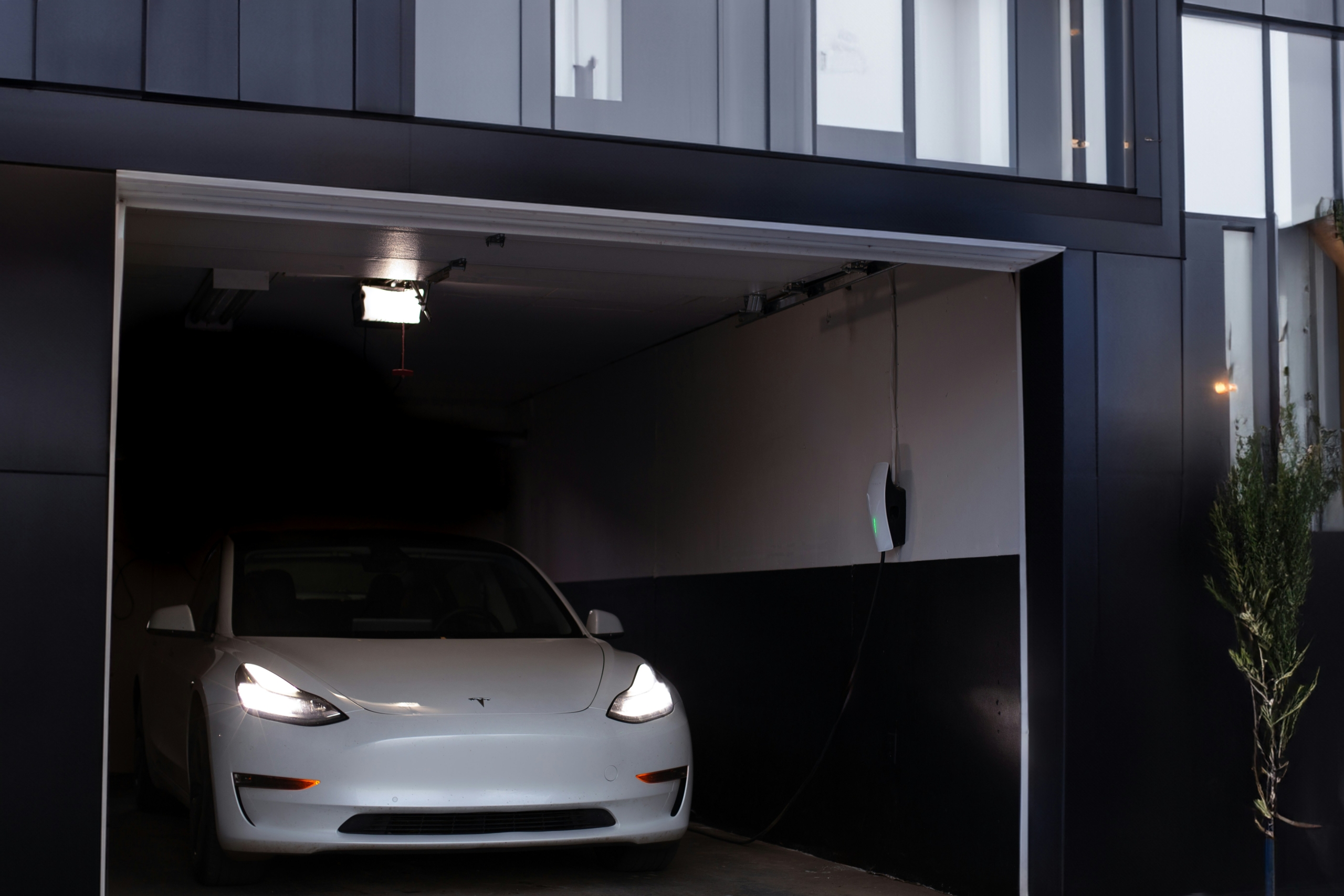

VICTORIA — As B.C. households, businesses, and industries electrify and electricity demand grows, a new resource is taking shape: distributed energy resources, or DERs, which if prioritized could meet more than 10% of B.C.’s total peak electricity demand by 2040, saving ratepayers money by avoiding more expensive infrastructure build-outs while improving grid reliability.
So finds a new analysis from Dunsky Energy + Climate Advisors commissioned by Clean Energy Canada, which examines the role DERs can play in meeting B.C.’s energy needs over the next 15 years.
DERs are technologies—like EVs, heat pumps, and efficient hot water heaters—that are connected to the electricity system behind a customer’s meter and which can generate or store energy, or be controlled to flexibly manage energy demand.
When these technologies are utilized concurrently across the grid by electric utilities—for example, modern EVs have vehicle-to-grid charging capabilities that turn them into two-way batteries—they combine into what’s called a ‘virtual power plant.’ And they represent a major new resource that places around the world are beginning to prioritize as the most cost-effective way of meeting new electricity demand.
Indeed, DERs represent a transformative solution for B.C. to help address growing electricity demand while supporting our decarbonization efforts. And while B.C. has enjoyed higher EV adoption than most provinces, when it comes to the utility-side of the equation—setting BC Hydro up to take advantage of these resources—the province risks falling behind others like Ontario and Quebec.
Our study, supported in part through funding from Natural Resources Canada, explores three scenarios: a reference scenario largely mirroring BC Hydro’s current plan, an accelerated electrification scenario, and a DER-centric scenario where accelerated electrification is met with new DER programs.
The reference scenario found similar DER potential to BC Hydro’s own 2025 Integrated Resource Plan, with DERs reducing peak load by 4.2%, though achieving even this will require following through on new programs to support vehicle-to-grid integration. In a future where demand growth materializes more quickly than the current plan forecasts—which will be required for B.C. to achieve its climate targets—centring DERs in energy planning can address grid pressures more cost-effectively, achieving a peak load reduction of 10.4%.
But in every scenario, residential DER measures—especially EV load management and residential space and water heating—account for the majority of potential savings, representing important opportunities for reducing peak demand. Realizing this opportunity will require utility-side reforms to strengthen investments in programs and incentives that recognize DER value accurately, alongside supporting the adoption of key household technologies, which will ultimately create cost savings for both the utility and households. Beyond energy savings, DERs can also allow for infrastructure deferrals, improved reliability, and enhanced home comfort–further strengthening their value proposition.
Elsewhere, DERs are already meaningfully helping address electricity demand. In Australia, nearly 21% of the country’s electricity was generated by energy smart homes and businesses in 2023–2024, with a goal of achieving nearly 50% by 2050. In the U.K., over two million households and businesses participated in demand flexibility programs in 2025, achieving energy bill savings and reducing electricity demand during peak periods. And in California, VPP modelling shows that by 2035, statewide VPP potential could meet 15% of expected peak demand (up from 3% in 2024).
Additionally and related, Clean Energy Canada is pleased to see the recent publication of Blunomy’s VPP Readiness Index – Canada Edition, which evaluated each province’s readiness to operationalize large-scale VPPs using a methodology established by Blunomy in their global assessment of VPP readiness. Clean Energy Canada also provided input and helped inform the assessments for each provincial system.
Overall, Canadian provinces fell into the middle rankings when compared with global peers, with some provinces, like Ontario, demonstrating real leadership on the utility side. But every province has significant work to do to enable VPP participation, including doing more to ensure households and businesses can adopt the technologies VPPs rely on.