


As the province prepares to table its 2026 budget on Feb. 17, B.C. families are doing their own budgeting at the kitchen table.
In the past two weeks, we heard from a mom weighing whether to cut after-school programs to cover higher heating bills during a cold snap.
We heard from a homeowner who wants to retrofit an aging house to keep bills down, but the upfront costs are out of reach.
Across our memberships, the message is the same: People want solutions that lower monthly costs, but they need those savings to be within reach.
It’s no wonder: Winter in B.C. is expensive, and when heating costs rise, the ripple hits groceries, commuting, and rent.
Households with lower incomes, older homes, or fewer housing options are often hit first and hardest, with the least ability to reduce their bills.
Home-heating gas bills rose 28.5 per cent in the past year, and Deloitte forecasts rising costs for natural gas as LNG exports grow, pushing bills higher.
That is why the choices in this year’s B.C. budget matter.
The budget will either protect the CleanBC rebates and incentives that lower our bills, or it will cut them just when people need relief.
CleanBC is the province’s climate plan with programs to help households upgrade homes, get cheaper and cleaner transportation, and reduce bills.
The recent independent review of CleanBC put it plainly: These rebates and incentives have been “critical levers” that lower household costs while cutting pollution, boosting health and jobs, and preparing our energy system for an electrified future.
The review also warned that stopping or publicly reconsidering programs sends mixed signals that can delay investment decisions. In other words, uncertainty costs money.
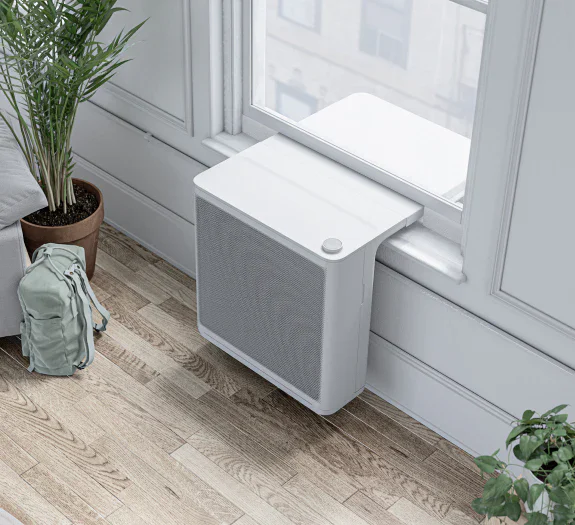
Electric heat pumps are a great example. They lower energy bills and improve comfort and safety during hot spells and smoke season.
Clean Energy Canada’s recent B.C. analysis found that, on average, annual household energy bills with a cold climate air source heat pump would be $169 lower than with a natural gas furnace and air conditioning, and $849 lower than with electric resistance heating and A/C.
Transportation is a similar scenario. In many B.C. communities, long commutes are common, and gas price volatility is a constant source of stress.
Clean Energy Canada’s EV cost analysis found that a typical EV can save thousands of dollars a year through cheaper fuel and maintenance costs.
But too many households can’t access any savings if upfront costs stay out of reach or if programs are hard to navigate.
That is why predictable rebates, low-interest financing, and simple point-of-sale programs matter.
Public support for these programs is strong.
Clean Energy Canada research found three-quarters of respondents support incentives like rebates, zero-interest loans, and investment in public charging.
The independent CleanBC review’s core message is “a renewal of CleanBC, not a retreat,” guided by principles that include protecting affordability and providing policy certainty.
This budget is a chance to show what that renewal looks like.
First, protect and expand heat pump and home energy-efficiency support, prioritizing households with the highest energy burdens so programs cut costs instead of leaving people behind.
Second, make it simpler and more affordable to buy and charge EVs, including stable purchase incentives and charging where people live, work, and shop.
Third, invest in clean electricity and grid upgrades. Households cannot electrify, and the economy cannot grow, without abundant, reliable clean Canadian power.
Finally, provide a clear public response to the CleanBC review with timelines, so households and businesses are not left guessing.
British Columbians are not asking the province to do everything.
We are asking government to back the solutions that make life more affordable, safer, and more resilient. CleanBC programs are already doing that for thousands of households. This budget should ensure many more can benefit.
This post was co-authored by Adam Lynes-Ford and Yasmin Abraham and first appeared in the Vancouver Sun.