

The energy-connectivity nexus
For the past two years, the AI conversation has been dominated by compute power—GPUs, chips, and processing clusters. But according to Luis Colasante, Energy Strategy Lead at Colt Technology Services, we’re focusing on the wrong constraint. The real bottleneck limiting AI’s growth is the physical infrastructure that supports it.
AI data centers consume two to three times more power than traditional cloud facilities, fundamentally transforming the economics of digital infrastructure. Energy availability has become “the ultimate gatekeeper” for AI expansion. Hyperscalers now spend more time negotiating with energy companies, local communities, and governments than optimizing their chip architectures.
The challenge extends beyond simply building more power plants. Permitting has emerged as the critical obstacle, with conflicts between communities and governance creating years-long delays. As Colasante notes, “We cannot get permits to do the infrastructure.” This administrative friction represents a constraint that no amount of innovation can overcome—you need stable power, low latency, and massive bandwidth before you can deploy a single GPU.
Investment cycles: echoes of the telecom bubble
There are parallels between today’s hyperscaler-led infrastructure boom and the late-90s telecom bubble, but also crucial differences. Like the dot-com era, we’re seeing massive capital deployment into physical infrastructure. But unlike that period, today’s investments are driven by companies with proven business models and actual revenue generating massive data demands.
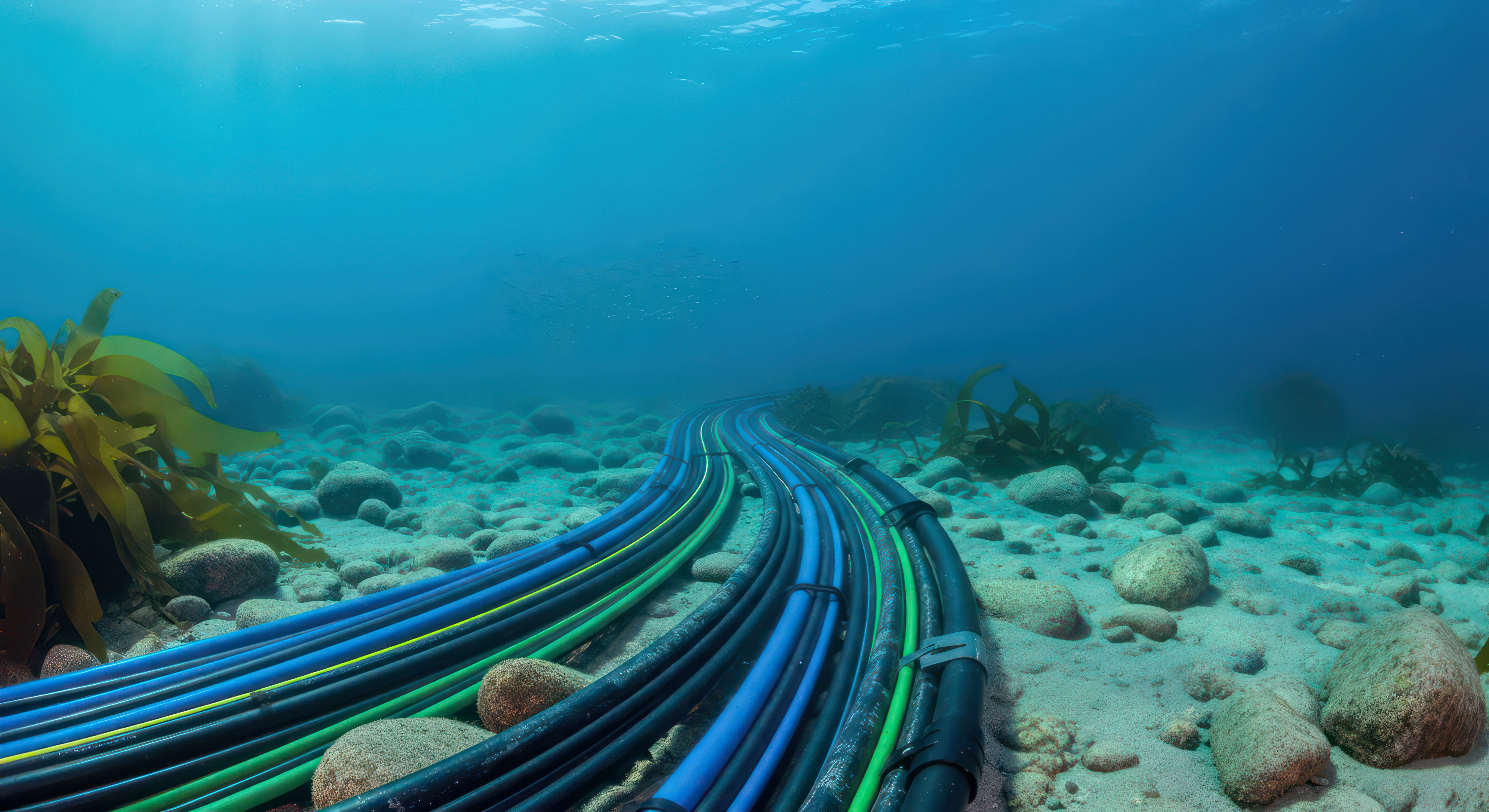
The fundamental economic challenge, however, remains similar: high upfront costs, long payback periods, and deflationary pricing pressure. An Atlantic cable can cost around 400 million euros to build, yet prices for capacity continue to drop while operational costs remain high. These assets face constant risks from anchors, fishing, natural events, and even sabotage—all requiring expensive repair vessels and crews. From an investor’s perspective, capacity has become “a weak asset” with extended payback horizons and increasing risks.
Digital sovereignty and strategic assets
Governments increasingly view subsea cables as strategic national security assets rather than mere commercial infrastructure. The French government’s recent intervention with ASN exemplifies this shift toward digital sovereignty. Critical connectivity infrastructure is now subject to the same geopolitical considerations as energy pipelines or military installations.
This has given rise to what Colasante calls “infrastructure diplomacy”—the recognition that building critical infrastructure requires navigating complex relationships between hyperscalers, telecom providers, energy companies, and multiple levels of government. Without this diplomatic approach, infrastructure simply cannot be built, regardless of technical capability or financial resources.
The death of the toll model
The traditional telecom business model—build capacity, sell capacity, collect tolls—is dying. Every new cable added to a route puts downward pressure on prices while costs stay high. “Capacity is a commodity,” Colasante explains, and the value has shifted decisively toward services.
The industry is pivoting toward intelligent service layers: operations, maintenance, landing station management, energy integration, security monitoring, and real-time automation. This is “Network as a Service” 2.0—not just bandwidth on demand, but trusted, flexible infrastructure with recurring revenue and strong margins. Companies that don’t make this transition “will not last,” Colasante warns.