


British Columbia faces a triple heat threat.
Summers are getting hotter and dangerous heatwaves are becoming likelier, posing serious risks to public health and safety. Nearly half of BC households (44 per cent) still don’t have access to cooling in their homes and could experience extreme discomfort or even serious health issues such as heat stroke and dehydration. Already, many households have turned to plugging in inefficient, standalone air conditioners. If this trend continues, it will add significant demand to BC’s electricity grid and lock households into needlessly expensive summer hydro bills.
At the same time, the rising cost of living remains a top concern for British Columbians. Home energy costs are a major contributor to household bills, leaving some families forced to choose between maintaining a comfortable temperature at home or paying for groceries and other essentials.
Finally, layered on top of these pressures is the need for BC to do its part in avoiding unnecessary emissions that worsen global warming — and the very health risks climate change exacerbates.
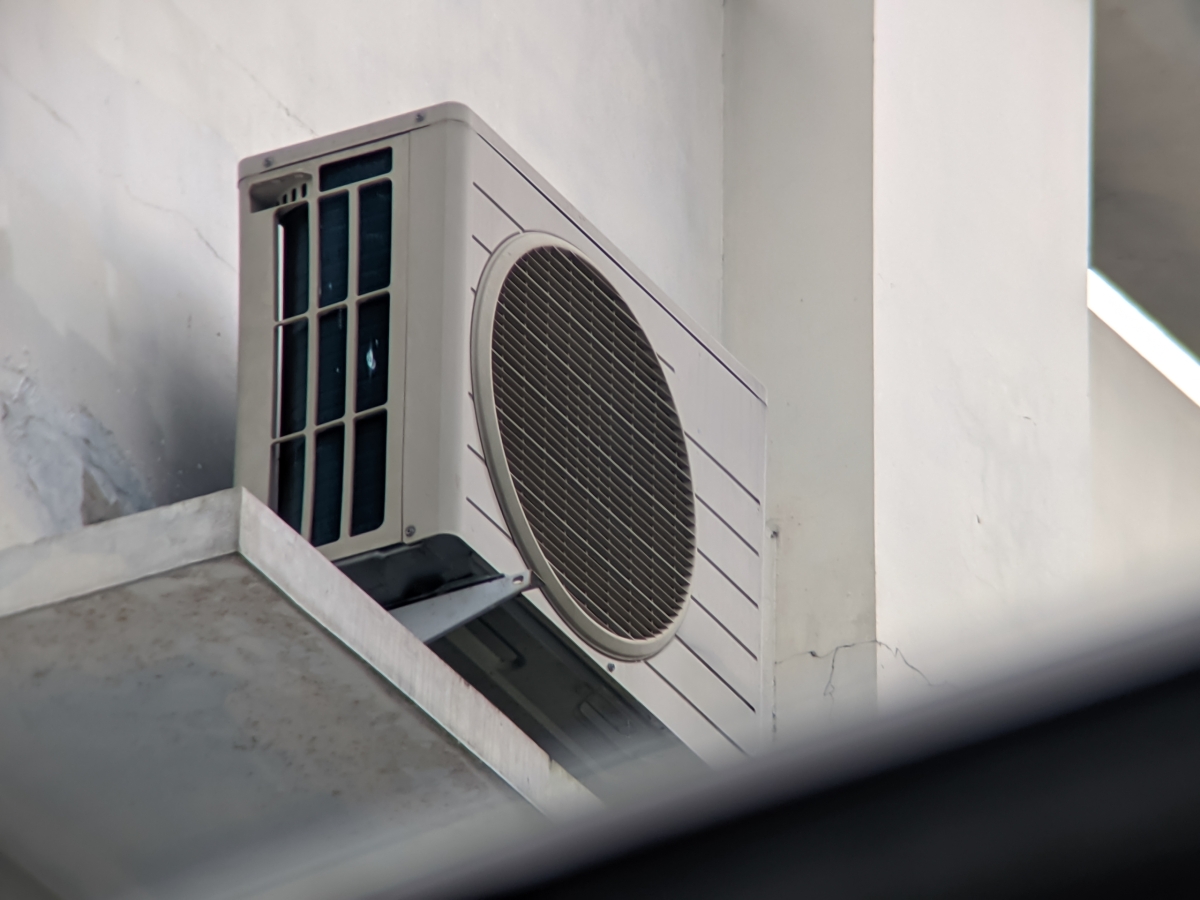
One technology can help address all of these issues: the electric heat pump. While heat pumps work much like a central air conditioning system, they heat as well as cool. In the summer, this means protecting their owners during scorching heat waves and keeping them comfortable on less-intense days — while also filtering some of the air pollution from wildfire smoke, an increasingly routine part of West Coast summers. In the colder seasons, they provide affordable, comfortable and evenly distributed heating with zero emissions.
Which is why Clean Energy Canada commissioned new modelling from an independent consultant, released today, to assess exactly how big their benefits could be for British Columbians. In short, we found that heat pumps could lead to lower energy bills and emissions without increasing total electricity usage in the province.
On average, the analysis shows that a household using a cold-climate air-source heat pump would save $358 a year compared to a natural gas furnace and air conditioning, or $1,039 a year compared to electric resistance heating and air conditioning. Across the province, these savings add up to a collective $675 million annually.
The report also finds that heat pump hot water heaters are the lowest-cost option for water heating across all housing types, offering another opportunity for long-term affordability.
But beyond household finances, heat pumps also deliver significant climate benefits. For one, running a heat pump produces 97 per cent less pollution than a natural gas furnace. If every home in BC switched from current heating systems to fully electric heat pumps and electrified water heating systems, emissions would fall by a significant 3.5 megatonnes annually — equivalent to about 6 per cent of BC’s current total.
And, critically, our analysis finds that even after adding cooling for the 44 per cent of households currently lacking it — so that far more residents can be protected from unsafe temperatures — overall annual electricity use from residential heating and cooling would actually decline, thanks to the far greater energy efficiency of heat pumps.
The province would still have to plan for the coldest and hottest days of the year, when everyone needs their heat pumps at the same time, but these peak demand hours can be eased with the help of energy-smart homes.
The opportunity is clear, but this is a transition the province needs to plan for. Without a coordinated effort by the provincial government and utilities, lower-income residents, renters and households facing more barriers to adoption risk being left behind — and getting stuck with higher energy bills over the long term as gas utilities serve a shrinking customer base. Meanwhile, the province’s electricity grid would also almost certainly face challenges posed by more inefficient A/C units being plugged in.
Getting ahead of these challenges with careful planning is the best way the BC government can protect consumers, secure cost savings for households and stabilize the grid. The solution: CoolBC, a clean heating and cooling action plan that unlocks lower energy bills for all British Columbians, drives down emissions and ensures energy systems are ready for an electrified future.
Such a plan would be composed of six key pillars: removing upfront cost barriers for low- and middle-income households to adopt heat pumps, ensuring new homes are built to be energy-efficient and electrified where possible, taking measures to make heat pumps the default replacement for both heating and cooling systems, ensuring there will be enough trained installers through workforce readiness planning, protecting vulnerable residents from extreme heat by expanding cooling access and making planning for an electrified future a requirement — not an option — for utilities.
By taking these actions to empower the transition, BC can leverage the full transformative power of clean technologies to unlock lasting affordability for households while advancing climate action and future-proofing its energy system.
This post was co-authored by Sicellia Tsui and first appeared in Canada’s National Observer.