



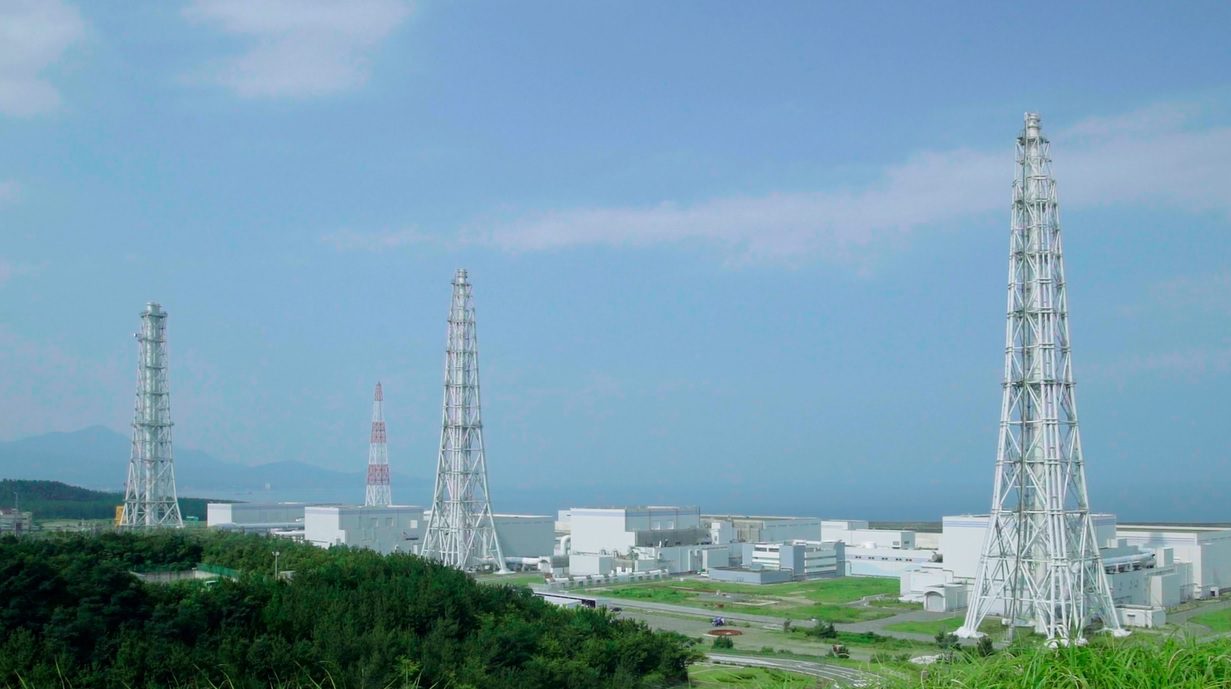
Japan’s Kashiwazaki-Kariwa Nuclear Power Plant was restarted on 9 February, the first reactivation of a nuclear power facility in the country since the 2011 accident at Fukushima. It is scheduled to begin commercial generation again in mid-March.
Located in Japan’s Nigata Prefecture, the plant is considered the world’s largest by installed capacity (approximately 7,965 MW),1 and is operated by Tokyo Electric Power (Tepco), the operator of the former Fukushima Daiichi Nuclear Power Plant.
The 1,356-megawatt (MW) unit 6 reactor was restarted at 2pm local time on 9 February, and is scheduled to resume power generation and transmission on 16 February. A planned shutdown is to be undertaken on 20 February, prior to further inspection by the NRA. Commercial operation is expected to begin on 18 March.
Unit 6 and 7 at the plant are both advanced boiling water reactors (ABWR), the first such deployment of the technology in the world. This is an evolution of the older-style BWR reactors used at Fukushima, and those present elsewhere at Kashiwazaki-Kariwa, which are not expected to be restarted. ABWRs feature additional safety systems including redundant core cooling systems and a more modern containment vessel said to be capable of withstanding severe earthquakes and tsunamis.
Tepco has commented: “We will continue to conduct integrity checks of the plant equipment under actual steam operating conditions, while fully and sincerely responding to inspections by the Nuclear Regulation Authority,” Tepco officials stated.
Approval to restart the unit 6 and 7 reactors at the plant was secured from the NRA in 2017, but awaited local approval, which was finally granted late last year by Niigata Prefecture.
Sanae Takaichi became Japan’s first female Prime Minister in October 2025, with a mandate to greatly expand the role of nuclear in the country’s energy mix, and professed policy priorities of securing energy security, economic stability and stable electricity supply.
Prior to Fukushima, nuclear power provided around 30% of the country’s electricity, but was stopped entirely within 14 months of the 2011 accident. This followed a 9.0 earthquake in the region, which in turn triggered a tsunami.
Notes
[1] The “largest plant” title is also potentially attributable to Bruce Nuclear Generating Station in Ontario, which is a leader in annual electricity generation.
