

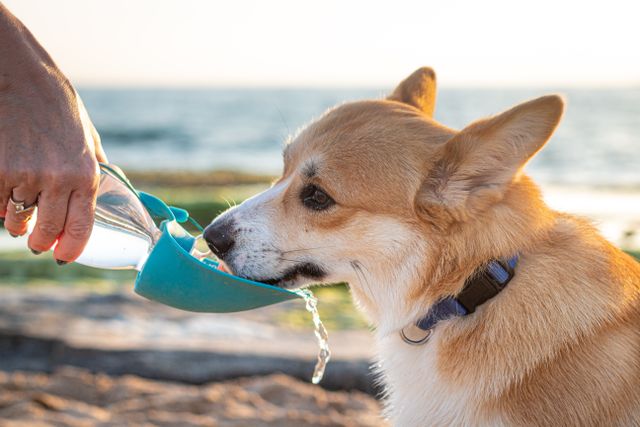
A dog may start to drink more water. At first, it can be hard to notice. The water bowl may empty fast. Your dog may ask to go out more. Your dog may drink at night. Many owners blame heat, play, age, or a new daily routine. These causes can be true.
Dogs drink more after a long walk. They also drink more on hot days. Dry food can make dogs drink more than wet food. But watch closely when the change lasts for days. More thirst with no clear cause can be a sign of illness.
Vets call this polydipsia. That means a dog feels thirsty more often than normal. It often comes with more pee. Vets call this polyuria.
These two signs can point to many health issues. Kidney disease is one of them. Other causes include diabetes, Cushing’s disease, a urine tract infection, liver disease, or some drugs.
This guide explains why kidney trouble can make dogs drink more. It also shows signs many owners miss. You will also learn when to call a vet.
What Counts as Too Much Thirst in Dogs?
Each dog is different. Some dogs drink more because they are big. Some drink more because they run and play a lot. Heat, food, stress, and medicine can also change thirst.
A large active dog will drink more than a small indoor dog. A dog on dry food often drinks more than a dog on wet food. Hot weather can also raise thirst.
The main question is simple. Is your dog drinking more than usual?
Watch for these signs:
- The water bowl empties faster than normal
- Your dog drinks more times each day
- Your dog wakes up at night to drink
- Your dog asks to go out more
- Your dog pees more than usual
- Your trained dog has accidents inside
- Your dog drinks from toilets, puddles, or buckets
You can track water intake at home. Add a set amount of water to the bowl. Check how much is left after 24 hours.
Do this for two or three days. Write down what your dog drinks each day. Also note changes in food, pee, weight, mood, and energy. This can help your vet.
Do not take water away from your dog unless a vet tells you to. A sick dog may need extra water. Taking it away can lead to dehydration.
How Kidney Disease Can Make Dogs Drink and Pee More
The kidneys help control water in the body. They clean waste from the blood. They also help hold the right amount of water and salts.
Healthy kidneys can make strong urine when the body needs to save water. Weak kidneys cannot do this as well. So the dog makes more thin urine.
That means the dog loses more water. To replace it, the dog drinks more. This is why more thirst and more pee often happen together. In the early stage, the dog may still look well.
The first clue may be simple. The water bowl empties faster. Your dog may also need more trips outside.
Chronic Kidney Disease vs. Sudden Kidney Injury
Not all kidney problems start the same way. Chronic kidney disease is often called CKD. It usually starts slowly. It is more common in older dogs. Still, young dogs can get it too.
Early signs can be mild. Many owners miss them at first. They may only see a clear pattern after days or weeks.
Sudden kidney injury is different. It can happen fast. It can follow poison, low body water, infection, heat stress, some drugs, a pee blockage, or another bad illness.
Sudden kidney injury can become an emergency. A dog needs vet care fast.
Both types can change thirst and pee. The timing and other signs help the vet know how serious it is.
Early Signs Owners Often Miss
Kidney signs often start slowly. At first, they may look like normal aging.
Common early signs include:
- More drinking than usual
- More pee than usual
- Needing to go out at night
- Bigger pee spots
- Mild weight loss
- Less hunger
- Less energy on walks
- A dull coat
- Throwing up now and then
- Loose poop
- A slight change in breath smell
These signs may not happen all at once. A dog may drink more for weeks before it eats less or seems tired.
Small changes matter when they keep coming back. One odd day may not mean much. A clear pattern does.
Warning Signs That Need Vet Care
More thirst alone does not prove kidney disease. But it matters more when other signs show up too.
Call your vet if more drinking lasts for more than a few days.
Also call your vet if your dog has:
- More pee than usual
- Accidents in the house
- Peeing at night
- Less hunger
- Weight loss
- Throwing up
- Loose poop
- Low energy
- Bad breath
- Weakness
- Pale gums
- Signs of low body water
- Pain or strain when peeing
Get vet care fast if your dog keeps throwing up. Also get help fast if your dog will not eat, seems very weak, cannot keep water down, falls over, or suddenly seems very sick.
These signs can point to kidney disease. They can also point to other serious health problems. Early tests help your vet find the cause before it gets worse.
Other Causes of Increased Thirst in Dogs
Kidney disease is one possible cause of increased thirst, but it is not the only one. This is why diagnosis should not be based on drinking changes alone.
Other possible causes include:
Diabetes mellitus
Dogs with diabetes often drink more, urinate more, lose weight, and sometimes eat more than usual.
Cushing’s disease
This hormonal disorder can cause increased thirst, increased urination, increased appetite, panting, skin changes, and a pot-bellied appearance.
Urinary tract infection
A UTI may cause frequent urination, accidents, straining, blood in the urine, or discomfort.
Liver disease
Some liver problems can affect thirst, appetite, digestion, energy, and behavior.
Pyometra
This is a serious uterine infection in unspayed female dogs. It can cause increased thirst, lethargy, vomiting, discharge, fever, or collapse. It is an emergency.
Medication effects
Steroids, diuretics, seizure medications, and some other drugs can increase thirst and urination.
Diet and environment
Dry food, salty treats, heat, exercise, stress, and changes in routine can also increase drinking.
Because the list is broad, a veterinarian usually looks at the full pattern: drinking, urination, appetite, weight, energy, medication history, age, breed, and test results.
How Vets Check for Kidney Problems
If your dog has persistent increased thirst, your vet may recommend blood and urine testing. These tests help separate kidney disease from diabetes, infection, hormonal disease, and other causes.
Common checks may include:
Urinalysis
This test looks at urine concentration, protein, glucose, blood, infection signs, crystals, and other changes. Urine concentration is especially important because dogs with kidney disease often produce dilute urine.
Blood chemistry panel
This checks kidney-related markers such as BUN and creatinine, along with minerals and other organ values.
SDMA testing
SDMA is another kidney marker that can help assess kidney function. It is often used along with creatinine.
Electrolytes
Kidney disease can affect phosphorus, potassium, sodium, calcium, and other important minerals.
Urine protein:creatinine ratio
This test helps measure protein loss through the urine, which can affect staging and treatment decisions.
Blood pressure measurement
High blood pressure can occur with kidney disease and can damage organs if not managed.
Urine culture
If infection is suspected, a culture can help identify bacteria and guide antibiotic choice.
Imaging
X-rays or ultrasound may be recommended if the vet needs to look at kidney size, shape, stones, tumors, or urinary tract changes.
Veterinarians use the full picture, not one number alone. Chronic kidney disease is usually assessed through repeated findings in a stable patient, along with bloodwork, urinalysis, blood pressure, and urine protein results.
Why Early Detection Matters
Long-term kidney disease often cannot be cured. This is because damaged kidney tissue usually does not grow back.
But early testing can still help a lot. It can slow the disease. It can lower the risk of other health issues. It can also help your dog feel better for longer.
Care depends on many things. Your vet will look at your dog’s test results, signs, age, and overall health.
Your vet may suggest:
- A kidney-support diet
- Blood pressure care
- Phosphorus control
- More fluid support
- Help for nausea
- Care for protein loss
- Follow-up tests
Early testing also helps stop guesswork.
A dog that drinks more may have kidney disease. But it may also have diabetes, Cushing’s disease, an infection, or another health issue.
Tests help your vet find the real cause. This is best done before your dog looks very sick.
What Owners Can Track at Home
Good notes from home can help your vet.
If your dog seems stable, track simple signs for a few days before the visit.
Write down:
- How much water your dog drinks in 24 hours
- How often your dog pees
- Whether accidents have started
- Whether your dog wakes at night to drink or pee
- Any change in hunger
- Any change in weight
- Any throwing up or loose poop
- Your dog’s energy level
- Any medicine or supplements
- Any recent food changes
- Any heat, toxin, or odd food exposure
Bring these notes to the vet visit. They can help your vet choose the right tests.
Do not limit your dog’s water unless your vet tells you to. A thirsty dog needs clean water.
Final Thoughts
Do not ignore thirst that lasts for days.
More thirst does not always mean kidney disease. But it can be an early sign that the kidneys are not working well.
The key thing to watch is change.
Call your vet if your dog drinks more, pees more, wakes at night, loses weight, eats less, throws up, or seems tired.
Early tests give you answers sooner. They also help your dog get the right care.
This article is for learning only. It is not a replacement for a vet exam or treatment.
Always call a vet if your dog’s thirst, pee, hunger, weight, or energy changes without a clear reason.