

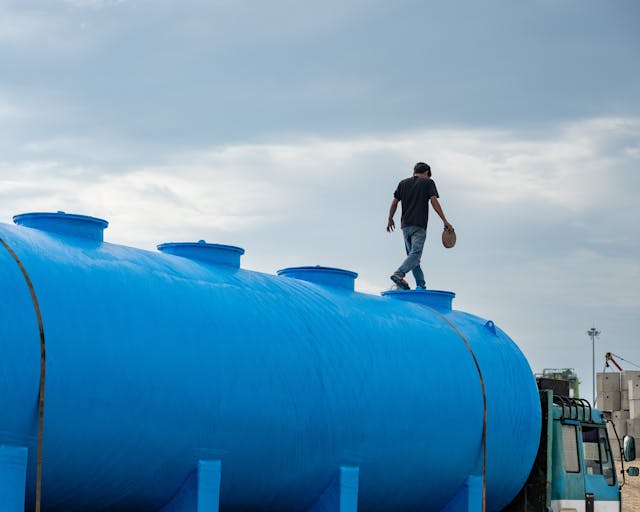
Storing clean water is a simple household decision with broader environmental impacts. The tanks, bottles, and containers people use can either minimise or increase waste in land, rivers, and oceans. Environmentally friendly water storage helps maintain higher water quality and reduces the amount of harmful materials.
Several of the existing storage products feature plastics, coatings that fail, or materials that will wear out as waste. Improved alternatives facilitate cleaner production, longer use, and even recycling of aluminium, thereby reducing the pressure on natural resources. By reducing the need to discard storage products when they expire, products will have a longer shelf life.
Why Water Storage Can Cause Pollution
When water storage containers break, this poses a problem. Cheap plastic tanks might crack due to heat. So, it’s the little things that can cause difficult-to-manage waste.
Pollution also occurs in the production and disposal. Certain materials are energy-intensive, generate toxic emissions, or produce waste that cannot be recycled. A million homes and businesses utilising short-life containers make the damage enormous.
What Makes Water Storage Eco-Friendly?
Safe, durable, reusable materials are used for eco-friendly water storage. These include reusable, food-grade stainless steel and recycled materials, and clay filters. These options don’t just minimise pollution. They will also be effective for many years.
A good storage system should also keep water away from chemical contamination. This reduces the need for bottled water. Not to mention, it reduces plastic waste.
Practical Ways Eco-Friendly Storage Reduces Pollution
When it comes to water storage, it’s not just about the tank. It also embodies the making and recycling of the container. Making some simple decisions can help lower business pollution. Here are ways eco-friendly storage minimises pollution:
- Select tanks that have longevity and are not frequent replacements.
- Use refill stations as an alternative to single-use plastic bottles.
- Cure minor leaks promptly – a preventer of waste and water damage.
Benefits for Homes and Communities
Environmentally friendly water container storage ensures water is more secure for everyday consumption. It minimises the risk of contact with unsafe materials and contamination. This is particularly useful in regions with long water storage times.
Communities also benefit from lower levels of plastic entering the environment. Better storage limits litter. This helps ensure cleaner neighbourhoods and public health.
Businesses Can Lead the Change
Companies within a green storage water system can decrease their environmental impact. Water is commonly stored in considerable quantities in schools, farms, hotels, factories, and offices. They can have the power to stop a lot of trash.
They also play a role in shaping customer and employee behaviour by providing models. But there are signs of commitment to sustainability – good labelling, refill points, and safe storage systems. This helps to operate with confidence, without empty green claims.
In conclusion, safe water storage is a crucial aspect of eco-friendly water management. It doesn’t just reduce waste. It also makes people consider the entire life cycle of the products that they use.
The newest, most costly solution isn’t always the best. It’s the one that remains safe. By making the effort to improve storage, households and businesses are helping maintain water quality and a healthier planet.