

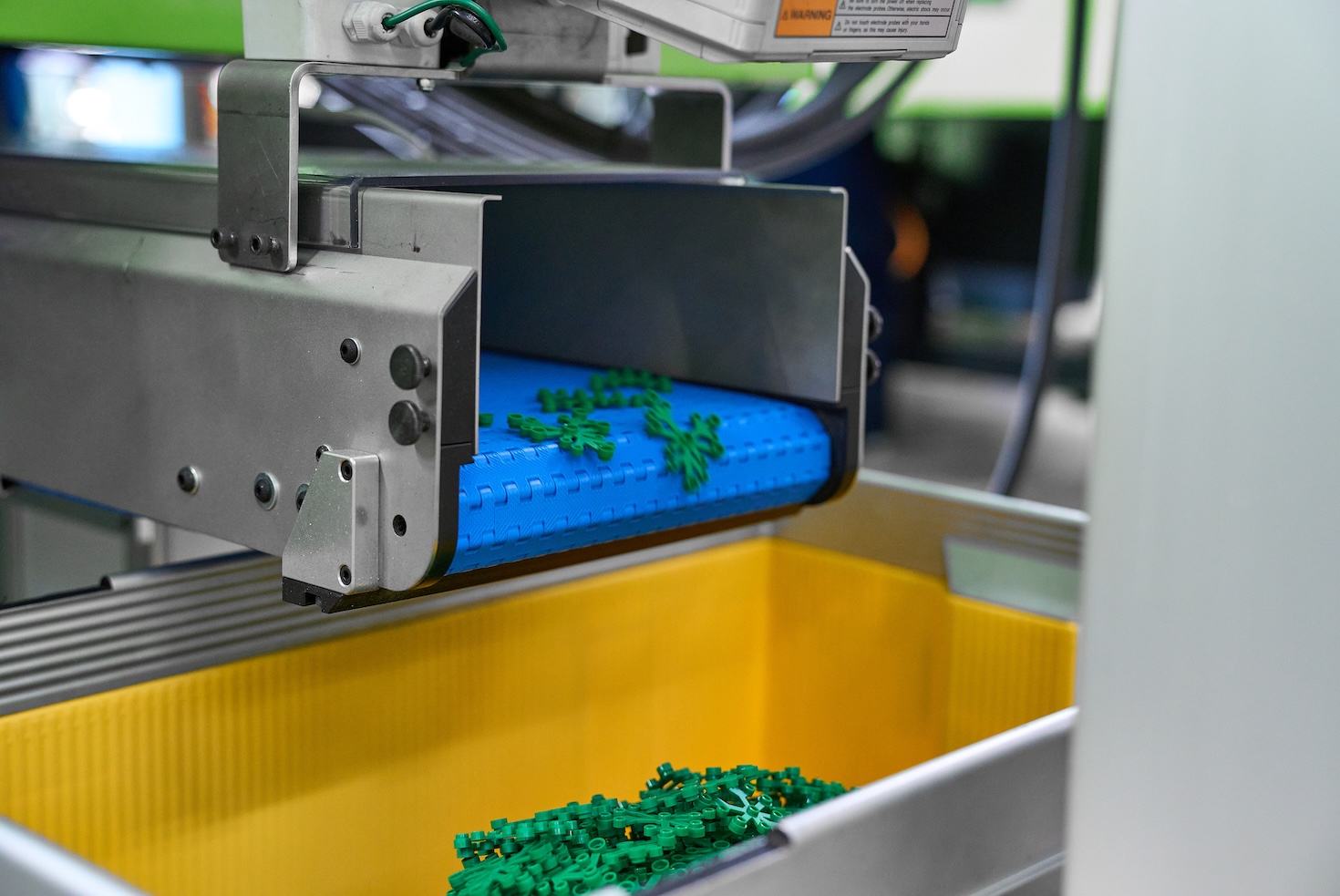
Lego made significant progress in 2025 toward its goal of reducing virgin oil-based plastic resin in its toys: 52 percent of the materials it bought to make its iconic bricks came from renewable or recycled sources last year, compared with 33 percent in 2024.
That doesn’t mean half of every Lego piece contains renewable or recycled materials. The company uses an accounting method called “mass balance” to substantiate its claims. That means that the raw supplies that Lego buys to make its products contain a mix of plastics from fossil fuels, and recycled and bio-based sources.
Other prominent companies that rely heavily on plastic resins for their product formulas, including shoemaker Crocs, have adopted this approach, but it isn’t widely used.
Here’s the math: In 2025, 60 percent of the materials that Lego purchased fell into this category. Another 4 percent came from segregated sources made from sugarcane, used in Lego’s botanical elements and figures; or a type of plastic made from recycled artificial marble countertops, used for transparent elements such as windows.
“This was 4 percent ahead of our target for the year, and translates into an estimated average of 52 percent renewable sources in the raw materials we buy to make our products,” Lego reported in its 2025 annual report, which includes its sustainability statement.
Lego doesn’t share a specific percentage goal for sustainable materials by a specific timeframe; its commitment is to increase the amount annually. It has so far evaluated more than 600 potential replacements, and the company is collaborating closely with suppliers on this transition.
“This includes evaluating the product carbon footprints and life-cycle analyses of materials, as well as the origin of feedstocks to ensure traceability,” Lego said in response to a Trellis inquiry about best practices.
Lego is progressive among toymakers when it comes to adoption of bio-based and recycled materials, especially given the expense of these options and the absence of stronger laws requiring companies to move away from oil-based plastic, said Marcian Lee, analyst with Lux Research.
“In some ways, you can view Lego’s commitment to more sustainable materials as being ‘virtuous’ and a lot more than what other companies would have done in the absence of direct regulatory mandates,” he said.
Plastic resin contributes 26 percent of Lego’s emissions from suppliers and other indirect sources, which represents 99 percent of the company’s greenhouse gas footprint. Lego’s efforts to replace new plastic produced using fossil fuels helped it avoid about 68 percent of that impact, although the company doesn’t use that data in its emissions inventory.
Lego’s science-based target is to reduce emissions by 37 percent by 2032, using 2019 as the baseline year. Between 2024 and 2025, Lego reported an increase of 0.2 percent for its market-based emissions. Since its baseline year, however, Lego’s overall footprint has increased by more than 60 percent.