

As energy costs rise and environmental concerns grow, making your commercial building more energy-efficient is not just a cost-saving measure – it’s a strategic necessity. But if you don’t know where to begin, it can be challenging to meet the moment.
The good news is that making your commercial building more energy-efficient doesn’t have to be some impossible task. With a few smart adjustments and updates, you can dramatically reduce your building’s energy consumption.
Here are five actionable tips to get you started on the path to a greener, more efficient commercial property.
1. Install Smart Systems
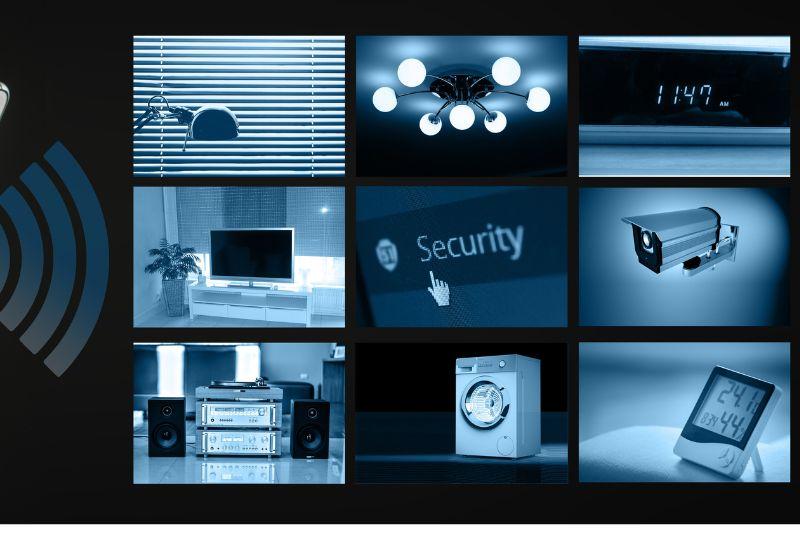
One of the best ways to enhance energy efficiency in a commercial building is by installing smart thermostats and automated energy management systems. These technologies allow you to monitor and optimize energy usage throughout your building in real time, ensuring that you’re not wasting energy when it’s not needed.
Smart thermostats are actually a pretty easy upgrade, but they can make a significant difference. They automatically adjust heating and cooling settings based on the time of day, occupancy levels, or even weather conditions. By setting temperatures to fluctuate according to usage patterns – cooler during work hours and warmer during downtime – you can reduce unnecessary energy consumption.
Energy management systems take it a step further by providing an overview of your building’s energy use. These systems allow you to track and control not only HVAC systems but also lighting, appliances, and other machinery. Some platforms even come with AI-driven features that analyze data and make recommendations for further energy savings.
The best part? Once set up, these systems require minimal maintenance, working in the background to save energy and cut costs.
2. Upgrade to LED Lighting
One of the simplest yet most impactful changes you can make is upgrading to LED lighting. Older lighting systems, especially those that rely on incandescent or fluorescent bulbs, are major energy guzzlers. In contrast, LED bulbs use up to 75 percent less energy and last much longer than traditional lighting options.
Switching to LED lighting is a quick win for energy efficiency. Not only will you see a significant reduction in your building’s energy usage, but the longevity of LED bulbs means you’ll also save money on replacement and maintenance costs.
To take your lighting efficiency even further, consider adding motion sensors or timers, especially in less frequented areas like storage rooms, hallways, or bathrooms. These devices ensure that lights are only on when needed, preventing energy waste.
3. Update Insulation and Windows
Older commercial buildings, while often full of charm and character, are notorious for being inefficient. Some of the biggest culprits include poor insulation, outdated windows, and an old roof, all of which allow air to leak in and out of the building, forcing your heating and cooling systems to work overtime to maintain a comfortable temperature.
- Retrofitting your building with updated insulation and energy-efficient windows can make a massive difference in reducing energy loss. Start by insulating key areas like the roof, walls, and foundation to prevent heat transfer. Modern insulation materials can help maintain a consistent indoor temperature, lowering the workload on your HVAC system and significantly cutting energy costs.
- Upgrading to double or triple-pane windows with low-emissivity (Low-E) coatings will also improve energy efficiency. These windows are designed to minimize heat transfer, keeping the building cooler in the summer and warmer in the winter.
- Your commercial building’s roof is another component to pay attention to (as an old roof can lead to excessive heat loss and create other energy efficiency issues. A roof replacement can help restore optimum energy efficiency in a commercial building. (By the way, adding solar panels to a roof can be another way to create sustainable energy sources for a building.)
While the upfront cost of replacing windows, insulation, and/or a roof may seem high, the long-term energy savings and increased comfort make it a worthwhile investment.
4. Perform Regular Maintenance
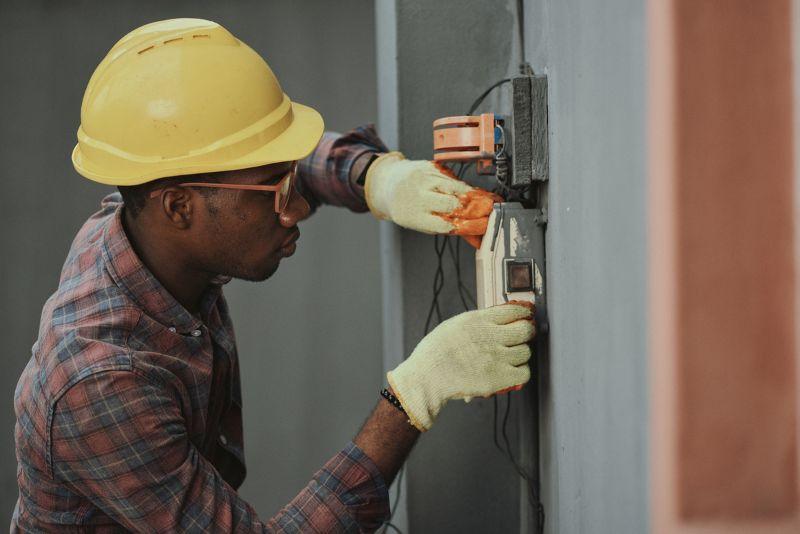
Your building’s HVAC system is responsible for a large portion of its energy use, especially in regions of the country with extreme weather conditions. If your HVAC system isn’t running efficiently, it can unnecessarily drive up your energy costs. That’s why regular maintenance checks are crucial to ensure that everything is operating at peak efficiency.
Start by scheduling seasonal maintenance to check for issues like dirty filters, clogged vents, or refrigerant leaks. Replacing air filters every few months ensures proper airflow, which reduces the strain on your system. In addition, cleaning ductwork and checking for insulation gaps can further boost efficiency.
It’s also smart to invest in an energy-efficient HVAC system if your current system is outdated. Modern systems are designed to use less energy while providing the same level of comfort. While it may be an upfront investment, the savings on energy bills and reduced maintenance costs can quickly offset the initial expense.
5. Encourage the Right Habits
While technology upgrades can make a big difference, human habits also play a significant role in energy consumption. Encouraging your employees or tenants to adopt energy-efficient behaviors can help create a culture of sustainability in your building.
Start by educating your team on the importance of energy efficiency and providing simple ways they can contribute. For example, ask employees to turn off lights and electronics when they’re not in use, unplug chargers and devices overnight, and adjust window blinds to make better use of natural light.
On top of all of this, creating incentives for energy-saving practices can motivate staff to take action. You could introduce office-wide challenges or set goals for reducing energy consumption, rewarding teams that meet or exceed targets. When everyone is invested in the effort, the results can be impactful and long-lasting.
Make Your Building More Efficient
Being energy efficient doesn’t have to be some painstaking process that requires a ton of extra resources to manage. In fact, if you have the right systems in place, it becomes pretty simple. Start by implementing the aforementioned tips and go from there!